Reykjavik · 2026-08-24
Tag 12: Sightseeing in ReykjavikDay 12: Sightseeing in Reykjavik
Wie angekündigt gibt's für uns heute einen Sightseeing Tag in der Hauptstadt Islands. Nachdem wir uns noch 2 Tage hier aufhalten, trifft sich das recht gut um auch mal die städtischen Seiten (von denen es wahrlich nicht viele gibt) kennenzulernen.
Wir starten mit einem Besuch im “Perlan Natur Museum” - ein sehr modernes und interaktives Museum ca. 10 Minuten vom Stadtkern entfernt. Parkplätze gibt es genug - beim Ticketkauf geht's auch ruckzuck und schon von außen ist das “Perlan” ein Hingucker, denn das Museum thront auf einem Hügel in einer riesigen Glaskuppel, die auf sechs ehemaligen Warmwassertanks sitzt (ja, auch hier wieder das Thema Geothermie, aber dazu haben wir euch ja bereits genug erzählt). Und ganz oben eine 360-Grad Aussichtsplattform, von der aus man ganz Reykjavik überblicken kann.
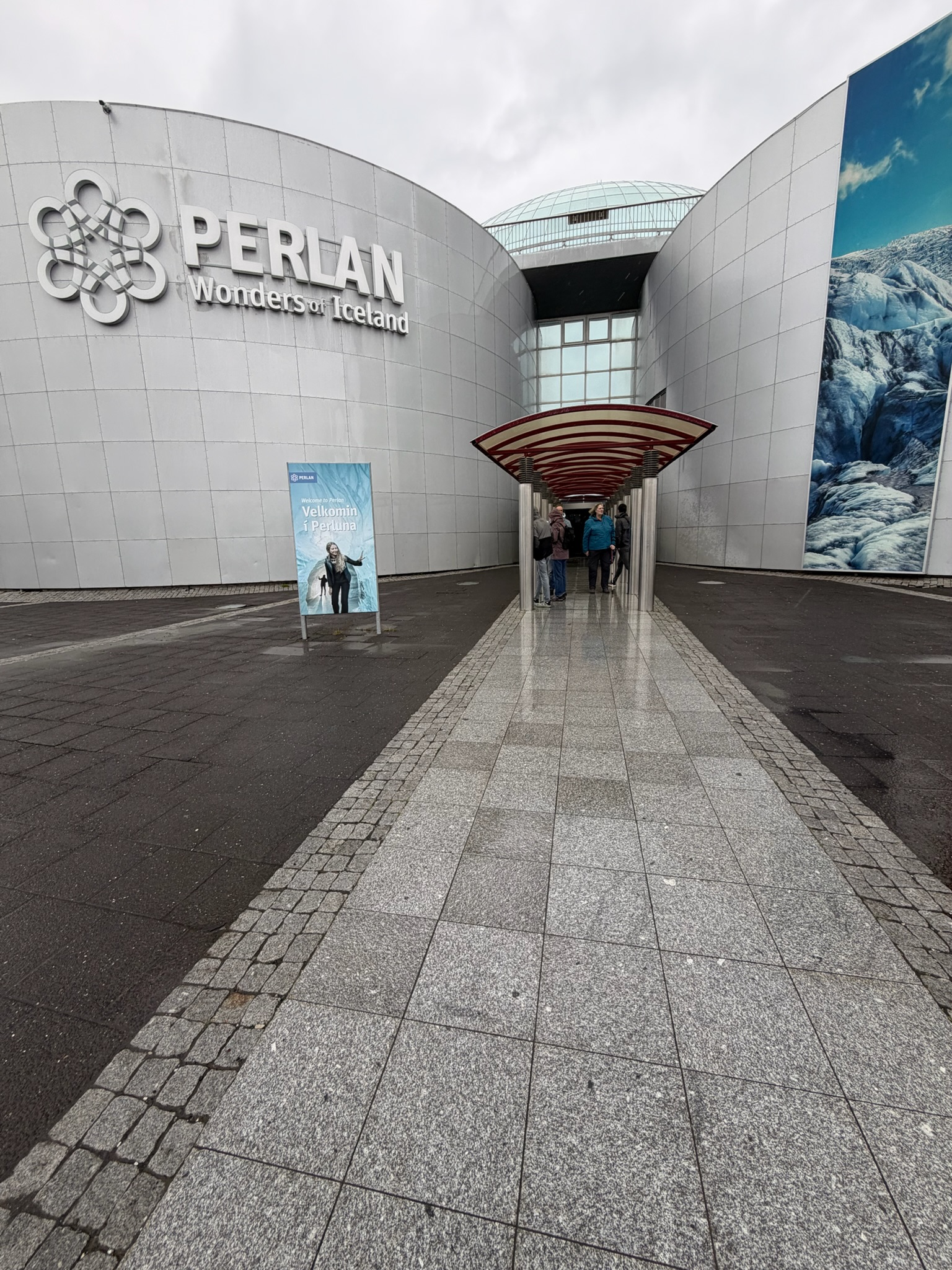
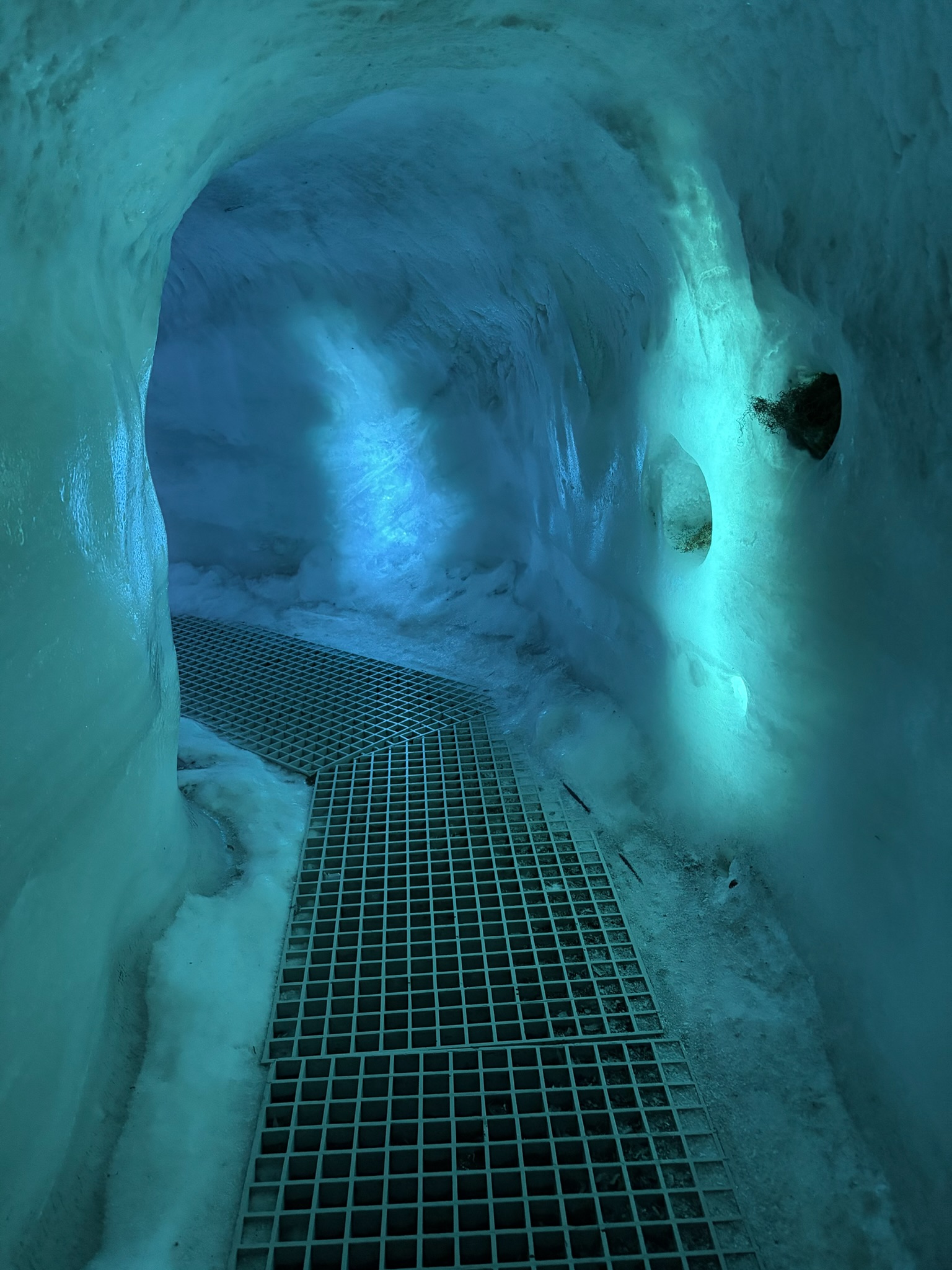
Was das Perlan aber wirklich besonders macht, ist die Art und Weise, wie hier Wissen vermittelt wird. Kein trockenes "hinter Glas anschauen und weitergehen", sondern alles interaktiv, zum Angreifen, Ausprobieren und Staunen. Das absolute Highlight ist die 100 Meter lange Eishöhle, die erste ihrer Art weltweit, komplett aus über 350 Tonnen echtem Schnee und Eis nachgebaut. Dazu gibt's ein 8K Planetarium, in dem man sich unter Nordlichtern gemütlich zurücklehnen kann und viele interaktive Ausstellungsbereiche, wo man auch als Erwachsener sehr viel Spaß damit haben kann.
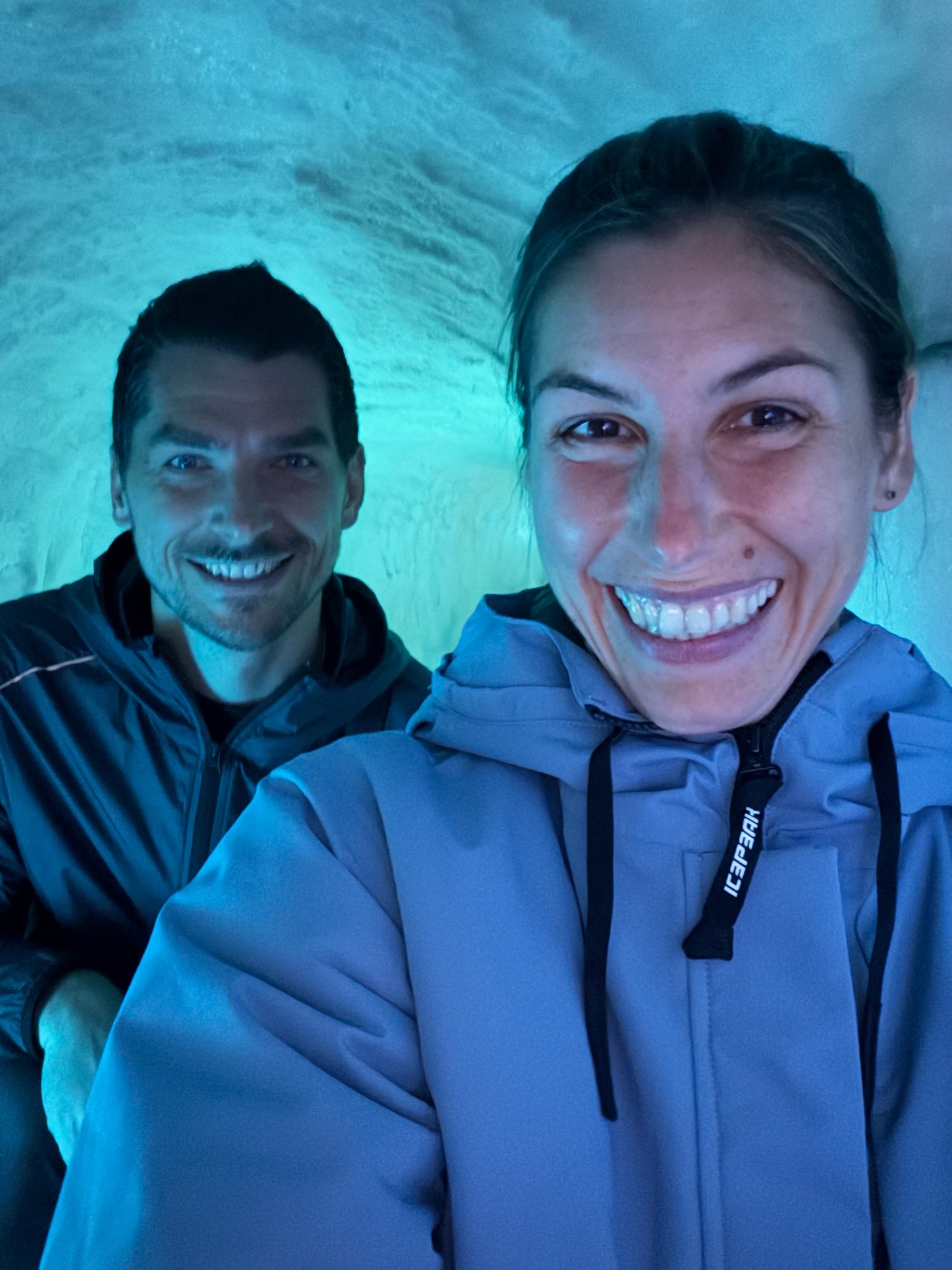
Hier ein paar Schnappschüsse der Eishöhle:
Und hier von einer kleinen “Sphere” in welcher man “immersiv” erleben kann, wie der Ausbruch des Gerlingardalir 2021 aussah:
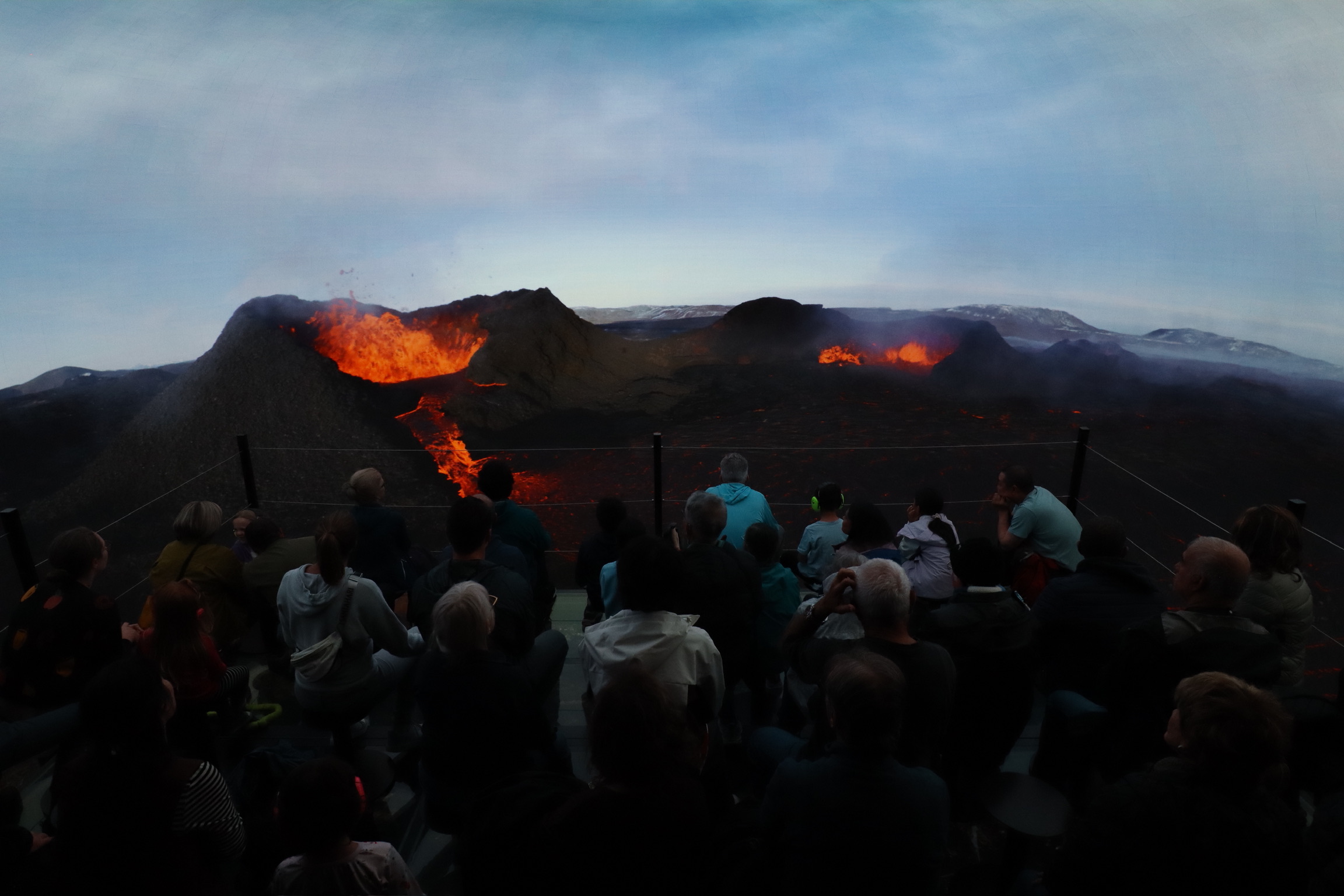
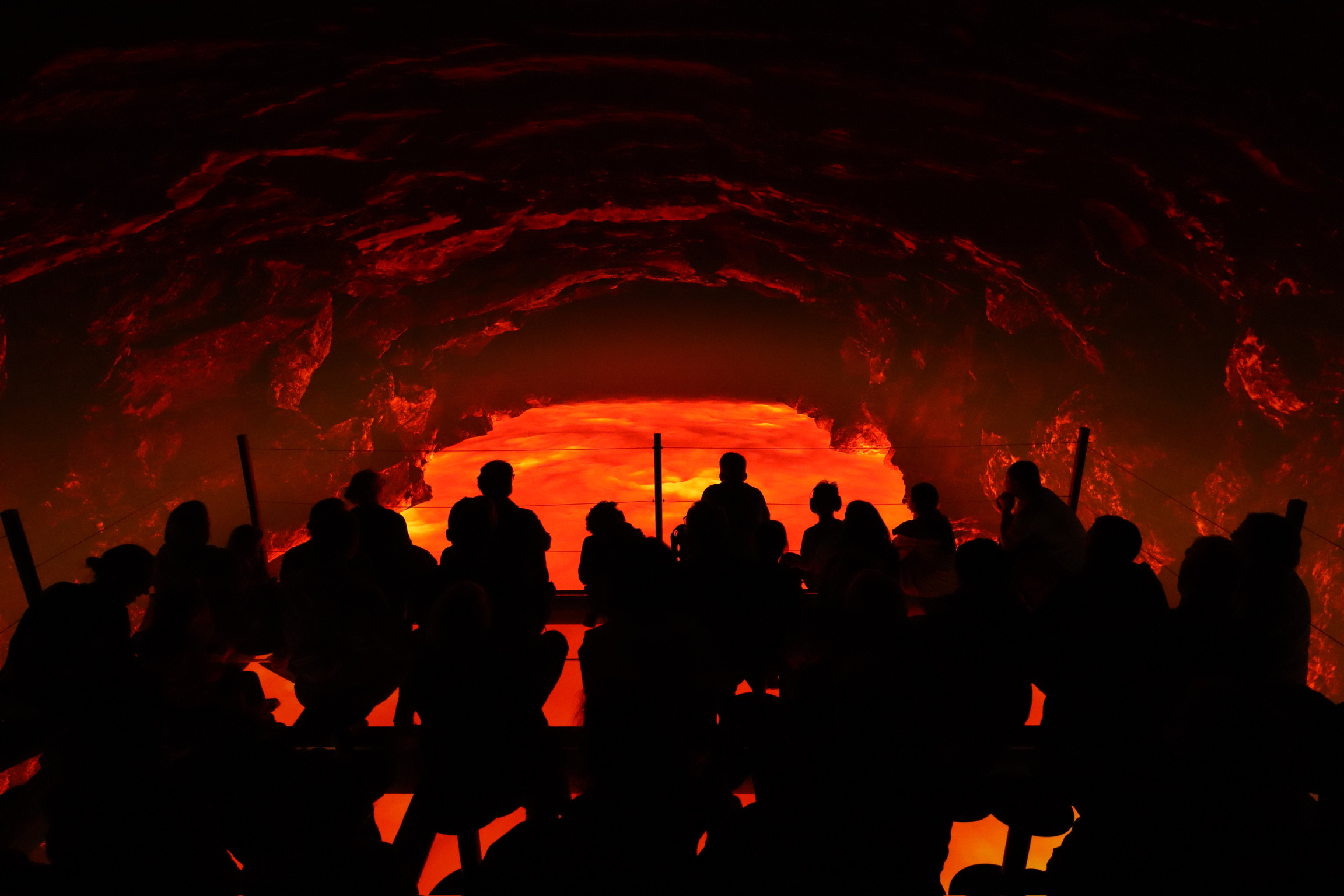
Nebenbei lernt man natürlich auch einiges über die Geschichte dieser Insel. Wer unsere letzten Artikel gelesen hat, kennt ja bereits Ingólfur Arnarson, den ersten Wikinger, der sich hier dauerhaft niederließ und der Bucht, aus deren geothermalen Quellen der Dampf aufstieg, den Namen "Reykjavik" (=rauchende Bucht) gab.
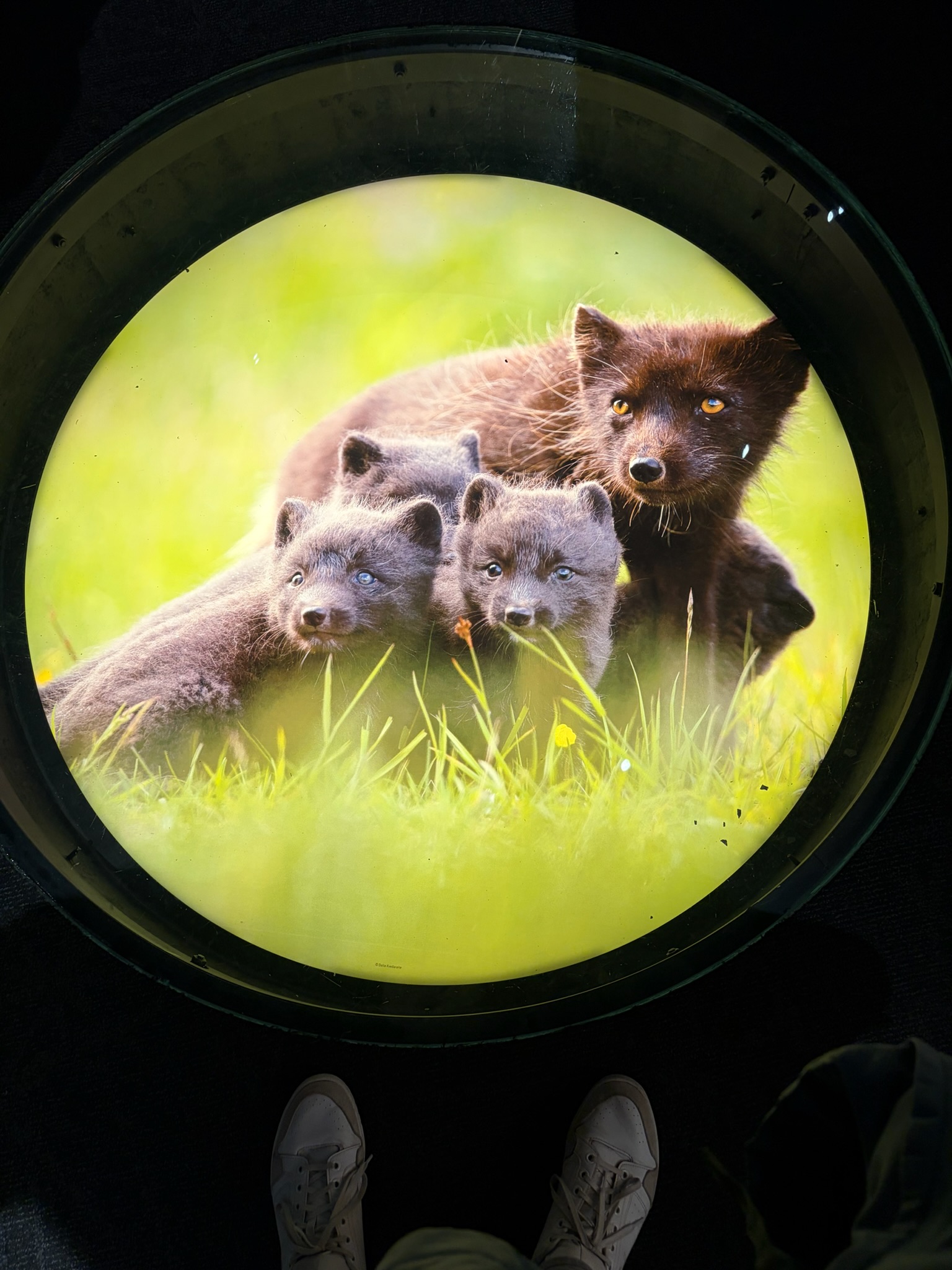
Auch tierisch wird's im Perlan interessant. Wusstet ihr, dass der Polarfuchs (Arctic Fox) das einzige heimische Landsäugetier Islands ist? Der kleine Kerl war schon vor den ersten Siedlern da, vermutlich am Ende der Eiszeit über zugefrorenes Meereis auf die Insel gewandert. Alle anderen Landtiere, die wir hier bisher gesehen haben, vom Schaf bis zum Isländerpferd, haben erst die Wikinger mitgebracht.
Am nachdenklichsten hat uns aber die Ausstellung rund um die Gletscherschmelze gemacht. So beeindruckend die Eishöhle auch ist, sie erzählt gleichzeitig eine ziemlich traurige Geschichte. Die isländischen Gletscher schmelzen, und das rasant. 2014 verlor mit dem Okjökull der erste isländische Gletscher offiziell seinen Status als Gletscher, und 2019 wurde ihm ein Denkmal gesetzt, eine kleine Plakette mit dem Titel "A letter to the future" (ein Brief an die Zukunft).
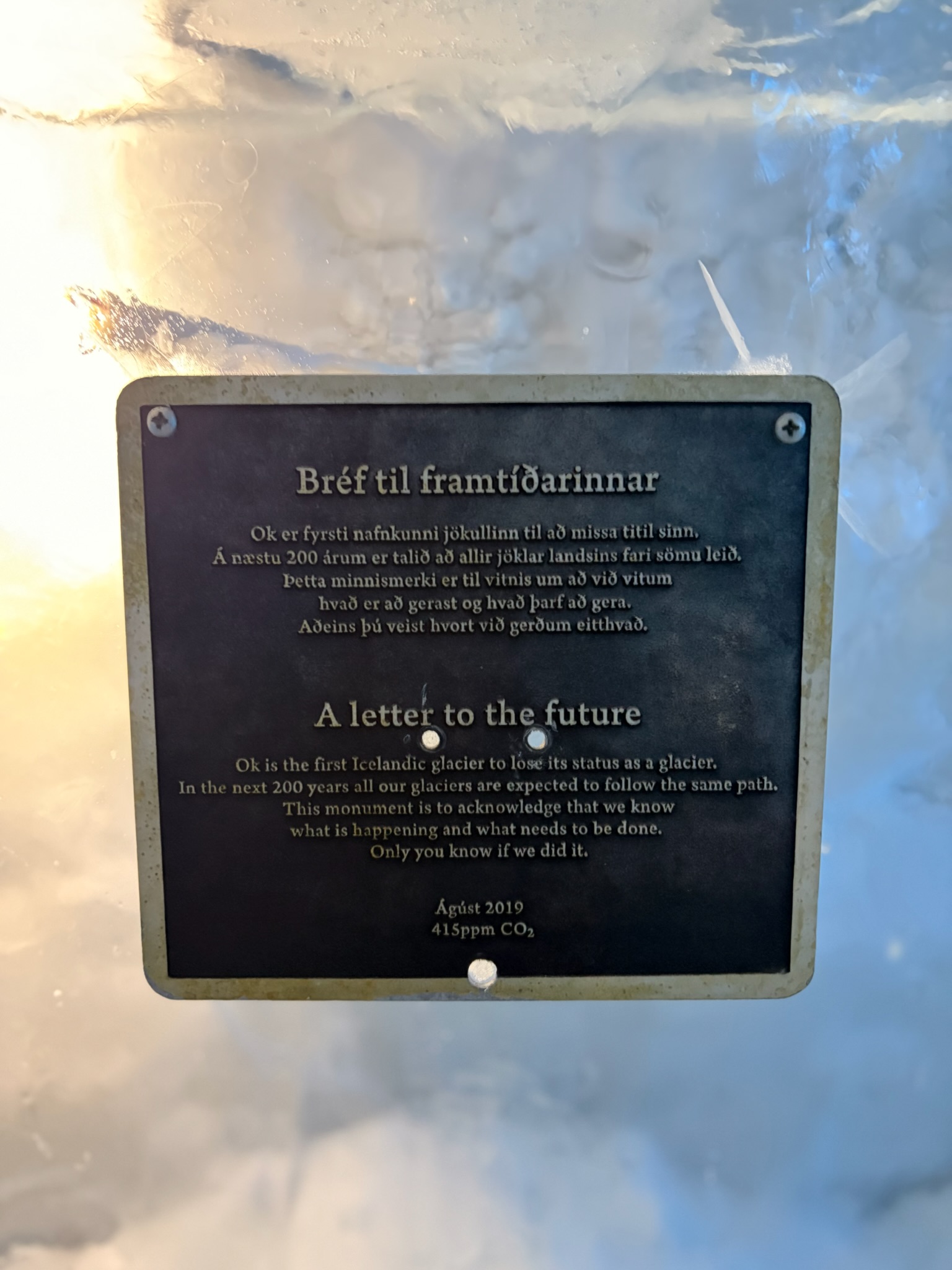
Verfasst vom isländischen Autor Andri Snær Magnason, richtet sich dieser Brief direkt an die kommenden Generationen: In den nächsten 200 Jahren, so die Prognose, werden alle isländischen Gletscher demselben Weg folgen. Der Text endet mit den Worten, dass wir wissen, was passiert und was zu tun wäre, und nur die, die diese Zeilen in der Zukunft lesen, werden wissen, ob wir es getan haben. Ein Gedanke, der uns nach all den Gletschern, Eishöhlen und dieser unfassbaren Natur der letzten Tage noch lange begleiten wird.
Nach etwa 3h im Perlan Museum ging's für uns weiter zur populären “Halgrimskirkja”. Wer schon einmal ein Foto von Reykjavik gesehen hat, kennt sie vermutlich bereits - das wohl bekannteste Wahrzeichen der Stadt, das mit seinen knapp 75 Metern über die bunten Dächer thront. Und für uns hatte dieser Bau einen ganz besonderen Wiedererkennungswert, denn die markante Fassade, die nach oben hin wie eine gigantische Orgel oder eher wie aufsteigende Stufen wirkt, ist tatsächlich den Basaltsäulen nachempfunden, die uns auf dieser Reise schon am Svartifoss und am Studlagil Canyon so fasziniert haben. Island in Steinform sozusagen, mitten in der Hauptstadt.
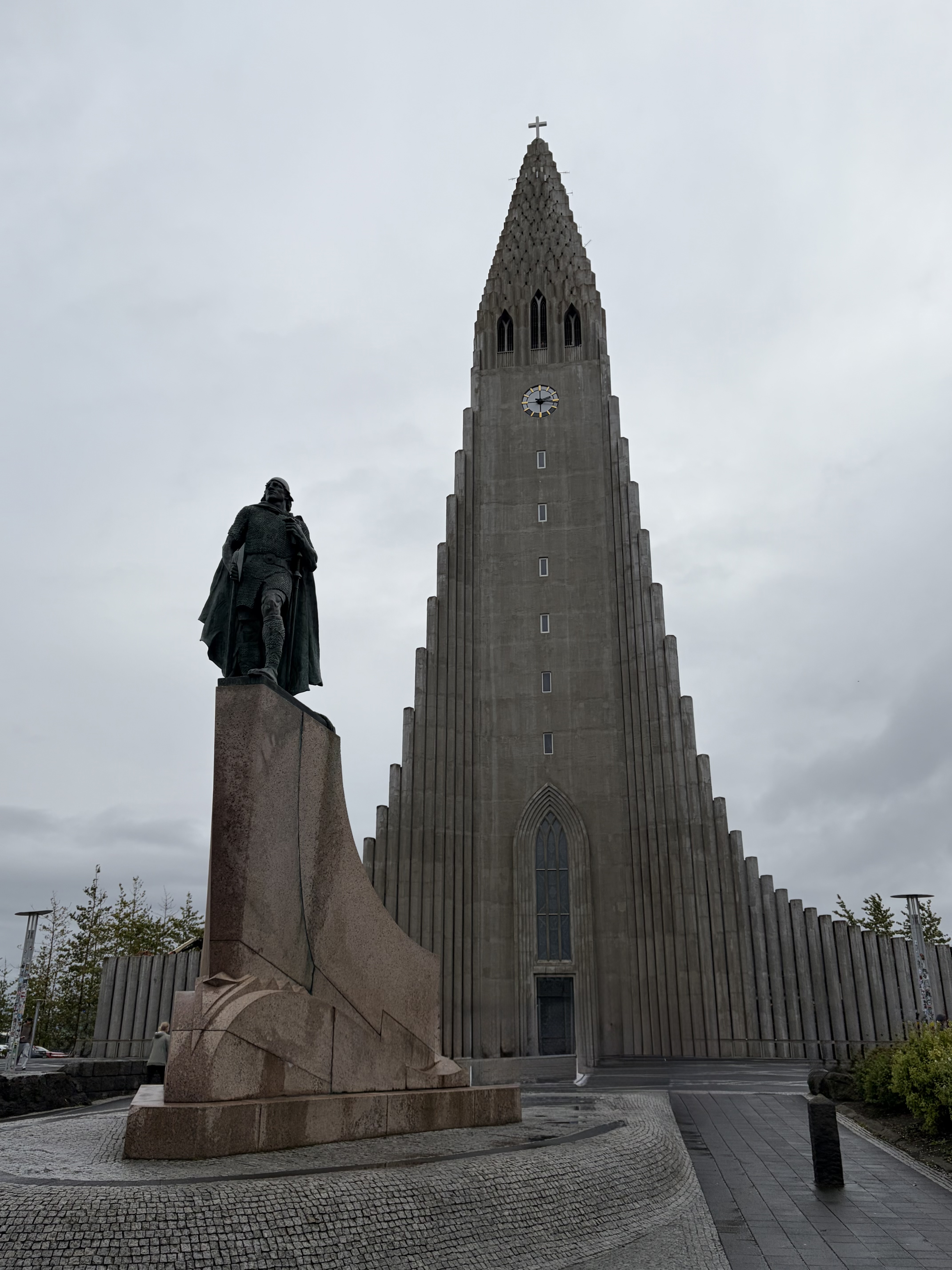
Benannt ist sie nach Hallgrímur Pétursson, einem isländischen Dichter und Geistlichen des 17. Jahrhunderts. Davor steht übrigens, schon lange bevor die Kirche fertig war, eine Statue von Leif Eriksson, dem Wikinger, der Amerika vermutlich schon 500 Jahre vor Kolumbus erreichte, ein Geschenk der USA an Island.
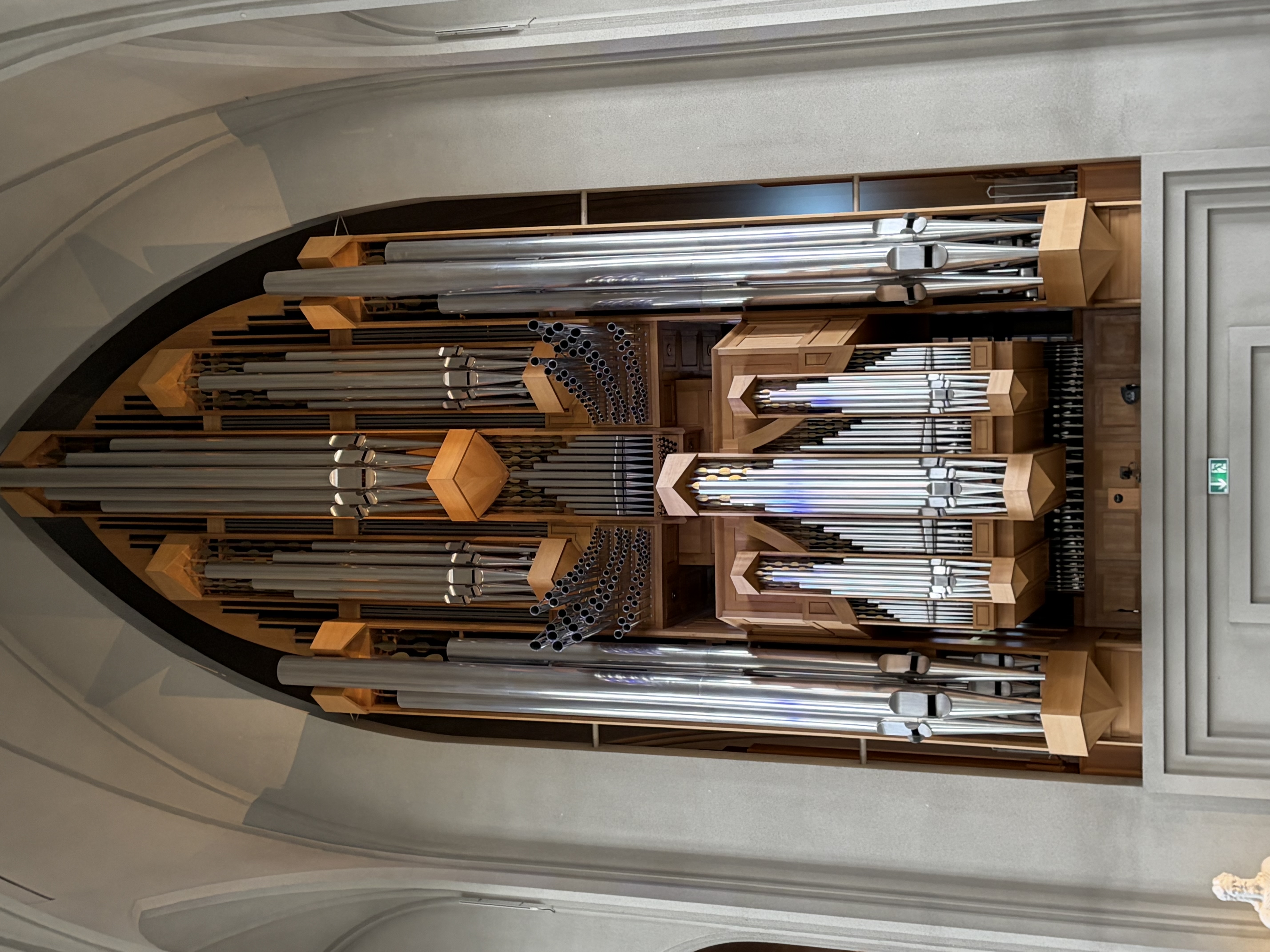
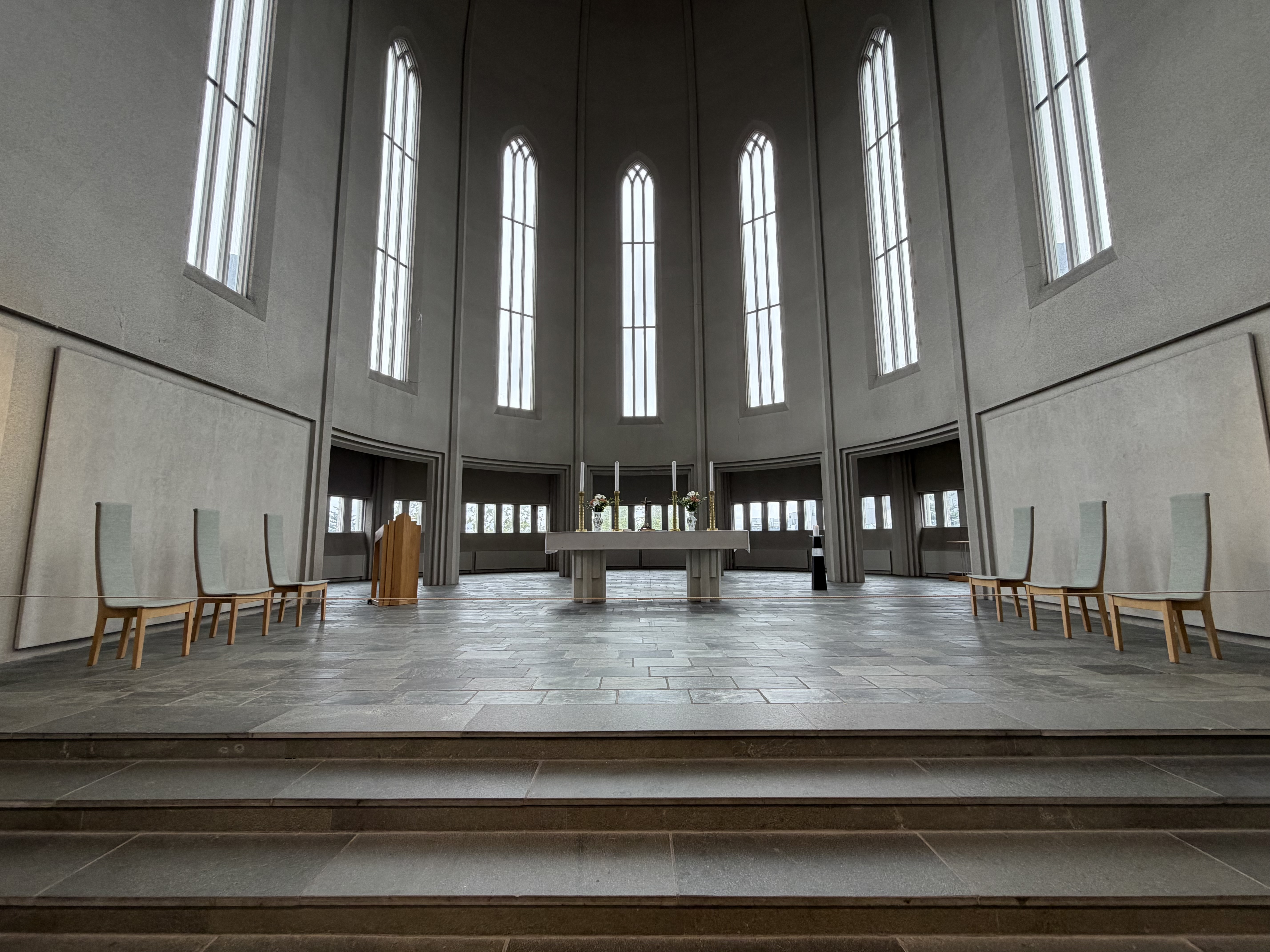
Innen ist die Kirche dann angenehm schlicht und hell gehalten, ganz im nordischen Stil, mit einer beeindruckenden Orgel, die die gesamte Rückwand einnimmt.
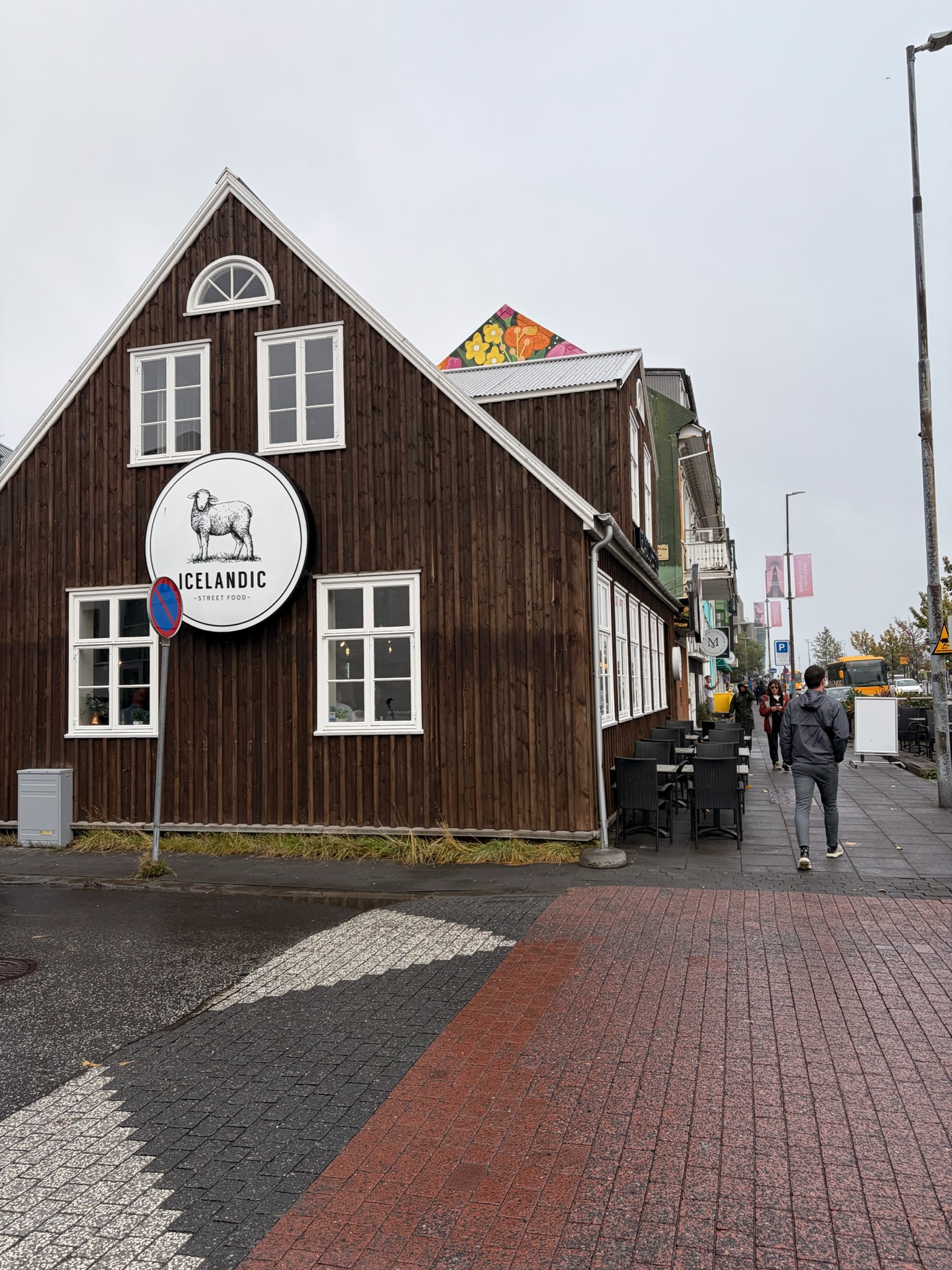
Nachdem wir hier dann bereits über vier Stunden unterwegs waren, war's Zeit für eine Kleinigkeit zu essen. Nachdem wir am Vortag bereits einmal bei einem recht bekannten isländischen Streetfood Laden vorbeispaziert sind, der uns direkt zugesagt hat, haben wir uns auf den Weg dorthin gemacht. Der Charme des Ladens und die vielen netten Kleinigkeiten haben uns in unserer Entscheidung direkt bestätigt.
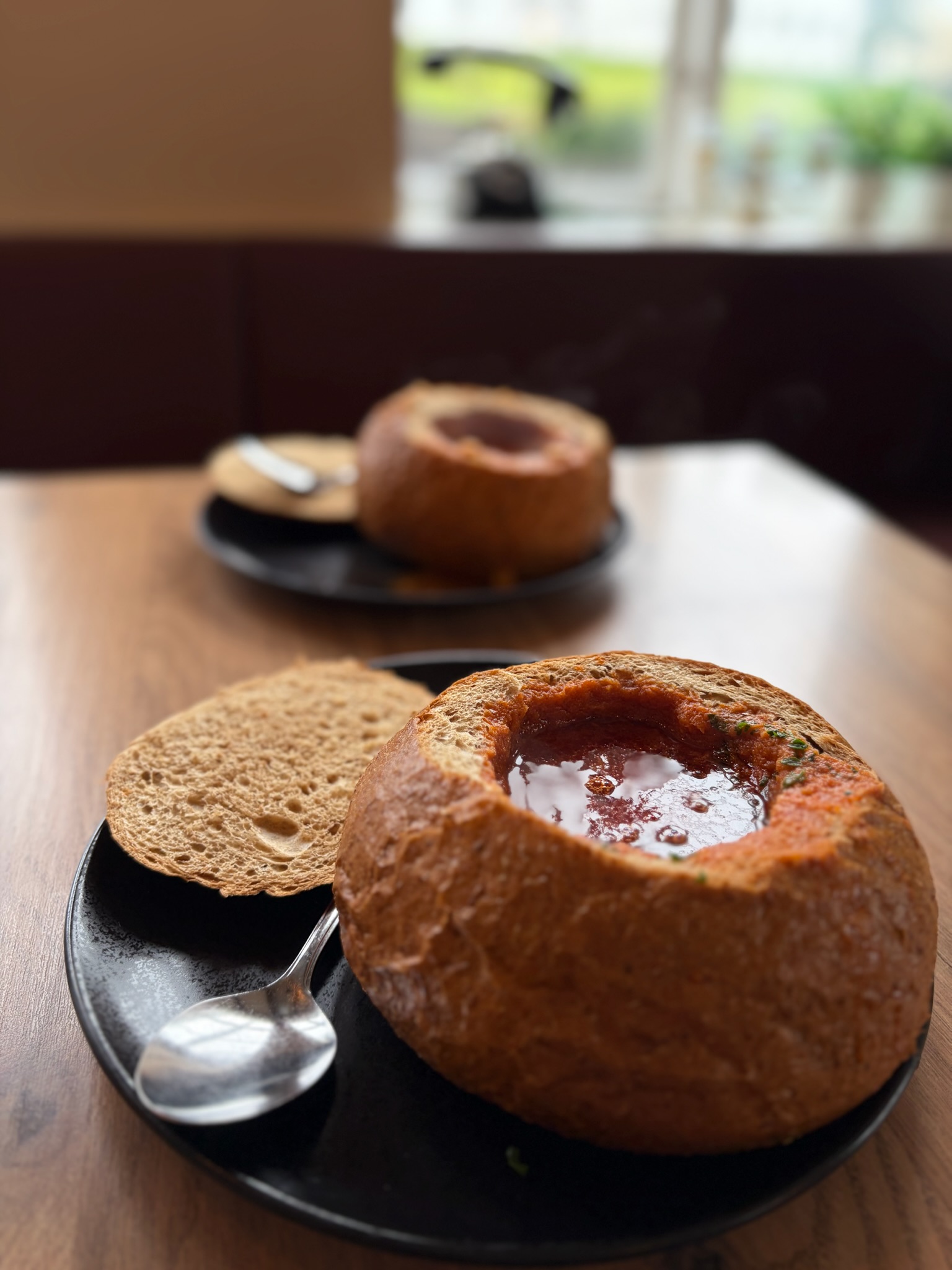
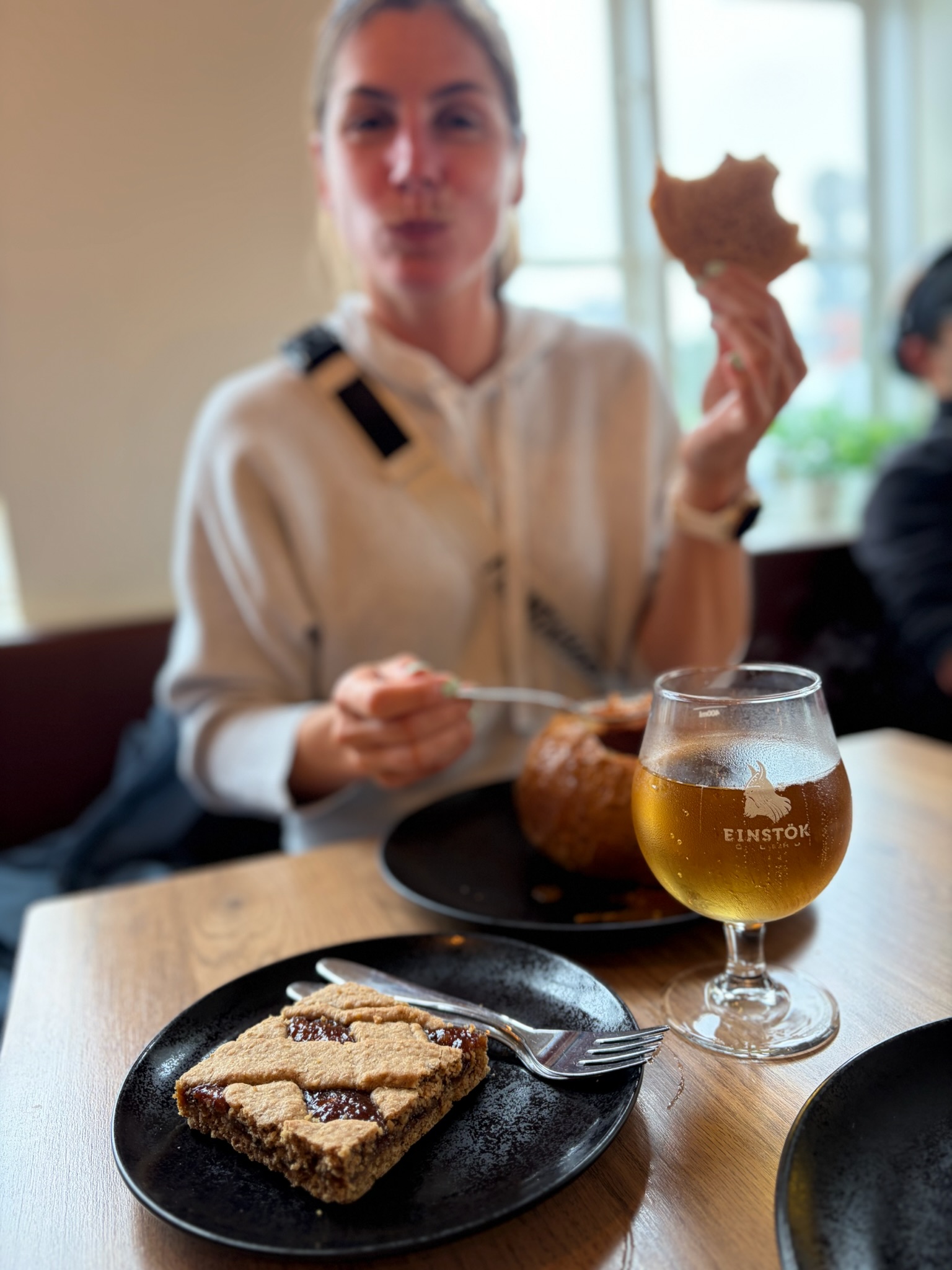
Man bekam dort 3 verschiedene Arten an Suppe (Shellfish, Tomate, Lamm) und konnte sich so oft wie man wollte nachholen. Die Suppe wurde in einem recht leckeren weichen Brot serviert - anstatt Teller. Der unfassbare Rekord fürs “Nachholen” von weiteren Portionen lag bei 25. (wie auch immer das möglich ist - wir waren beide nach 1 Portion schon ganz gut satt).
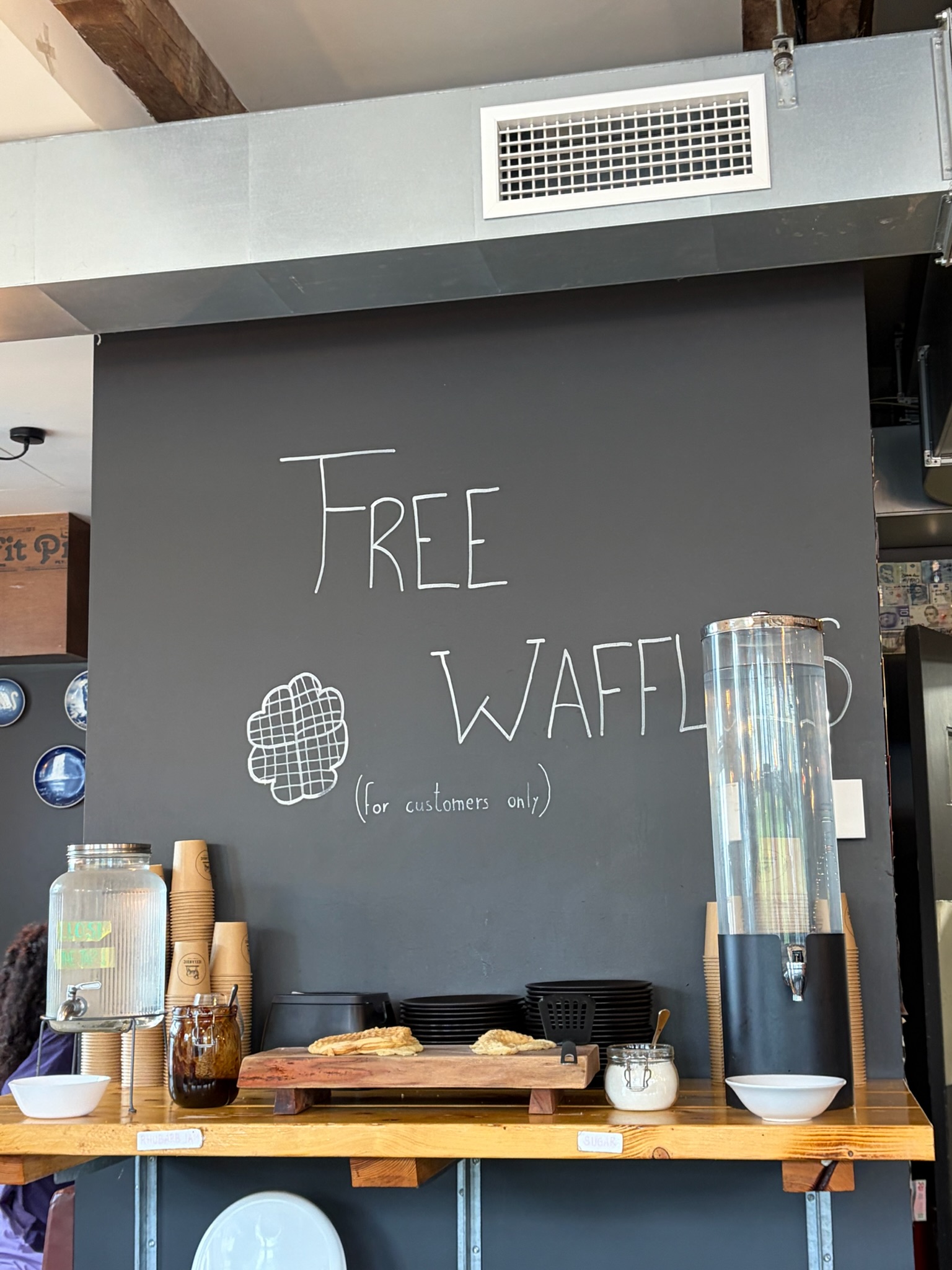
Zusätzlich dazu gab's gratis Waffeln mit Rhabarbarmarmalade und auch gratis Wasser (was für Island eigentlich sogar Standard ist, aber bei uns ja mittlerweile gar nicht mehr so üblich ist).
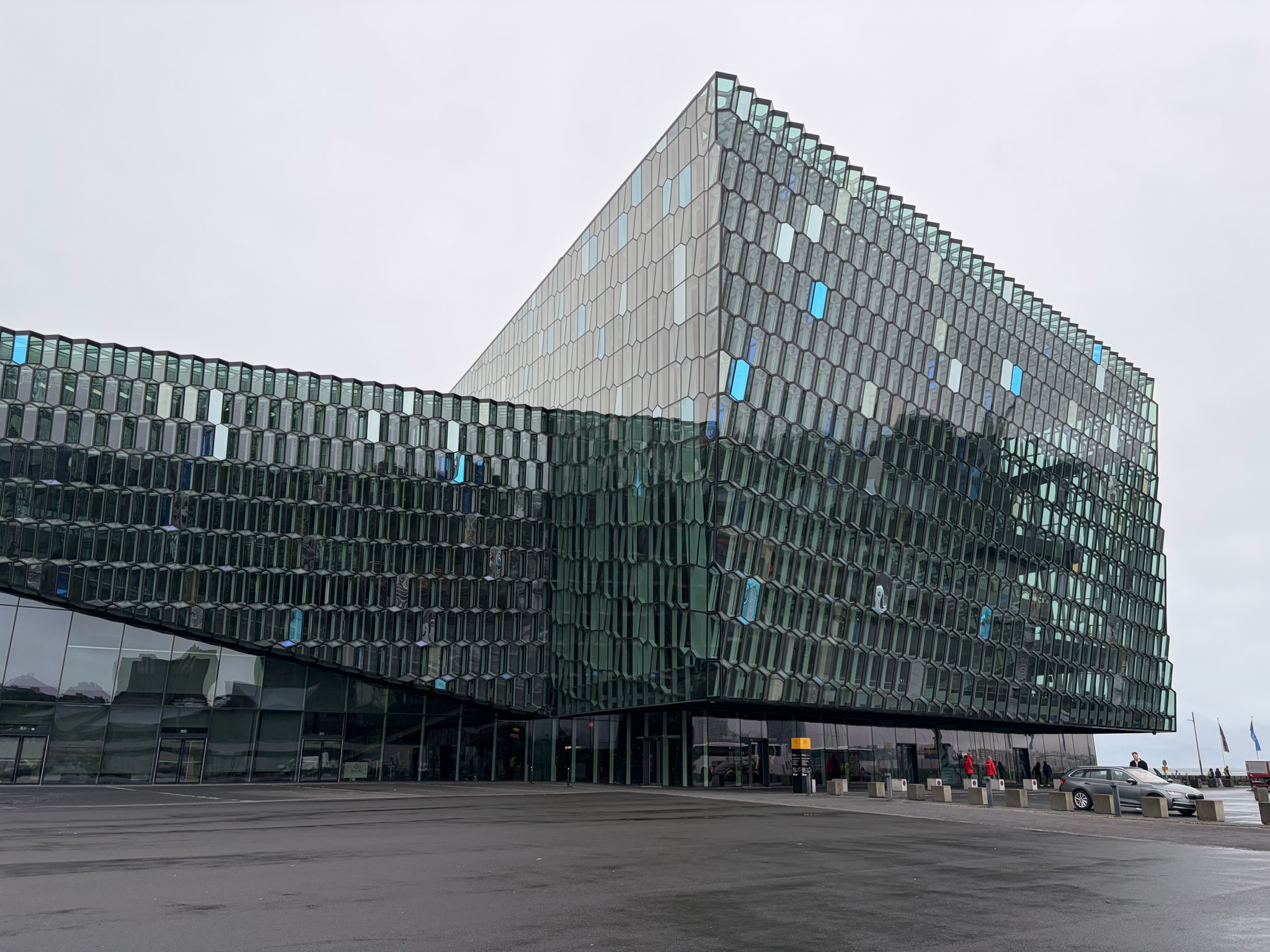
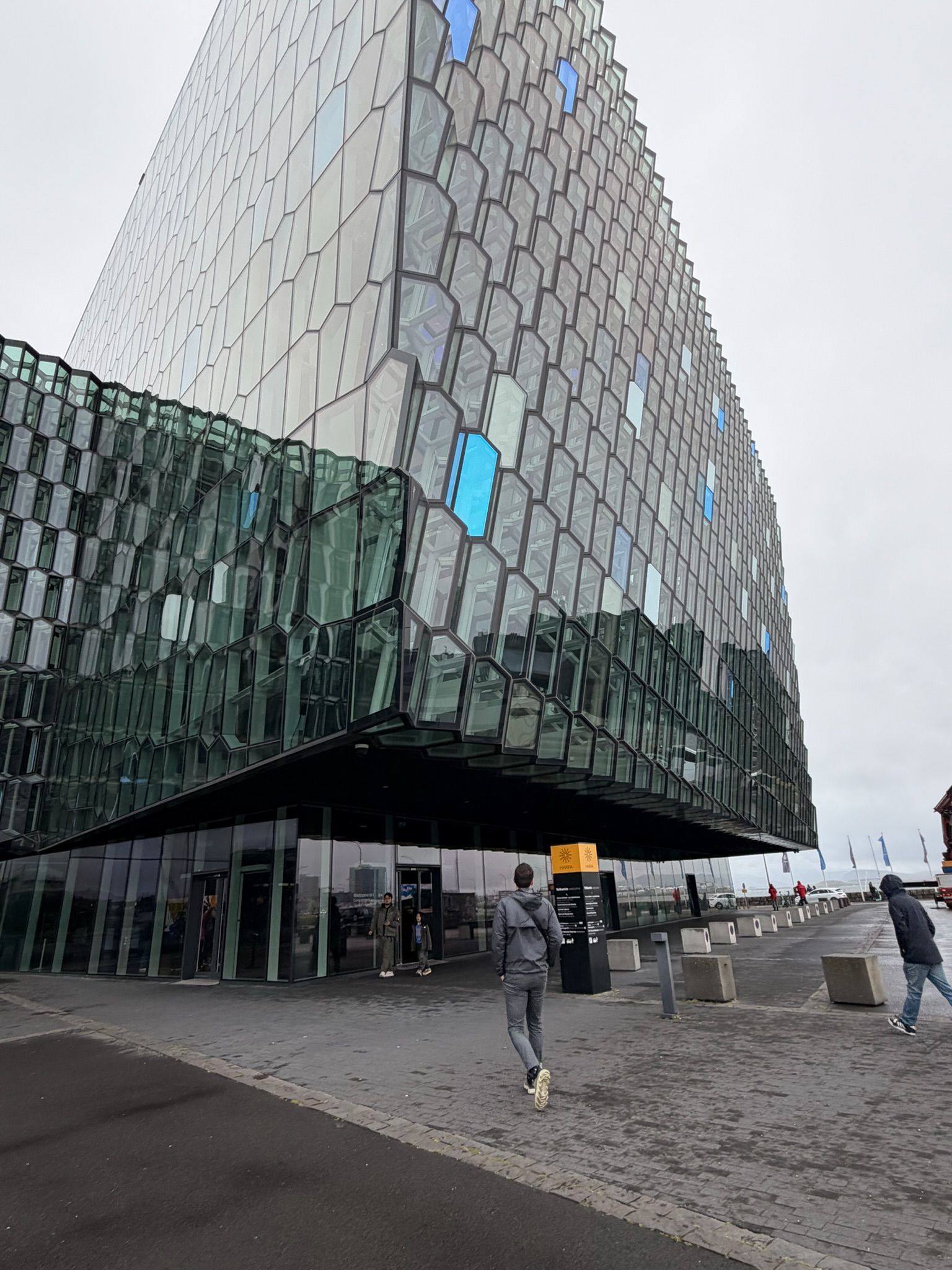
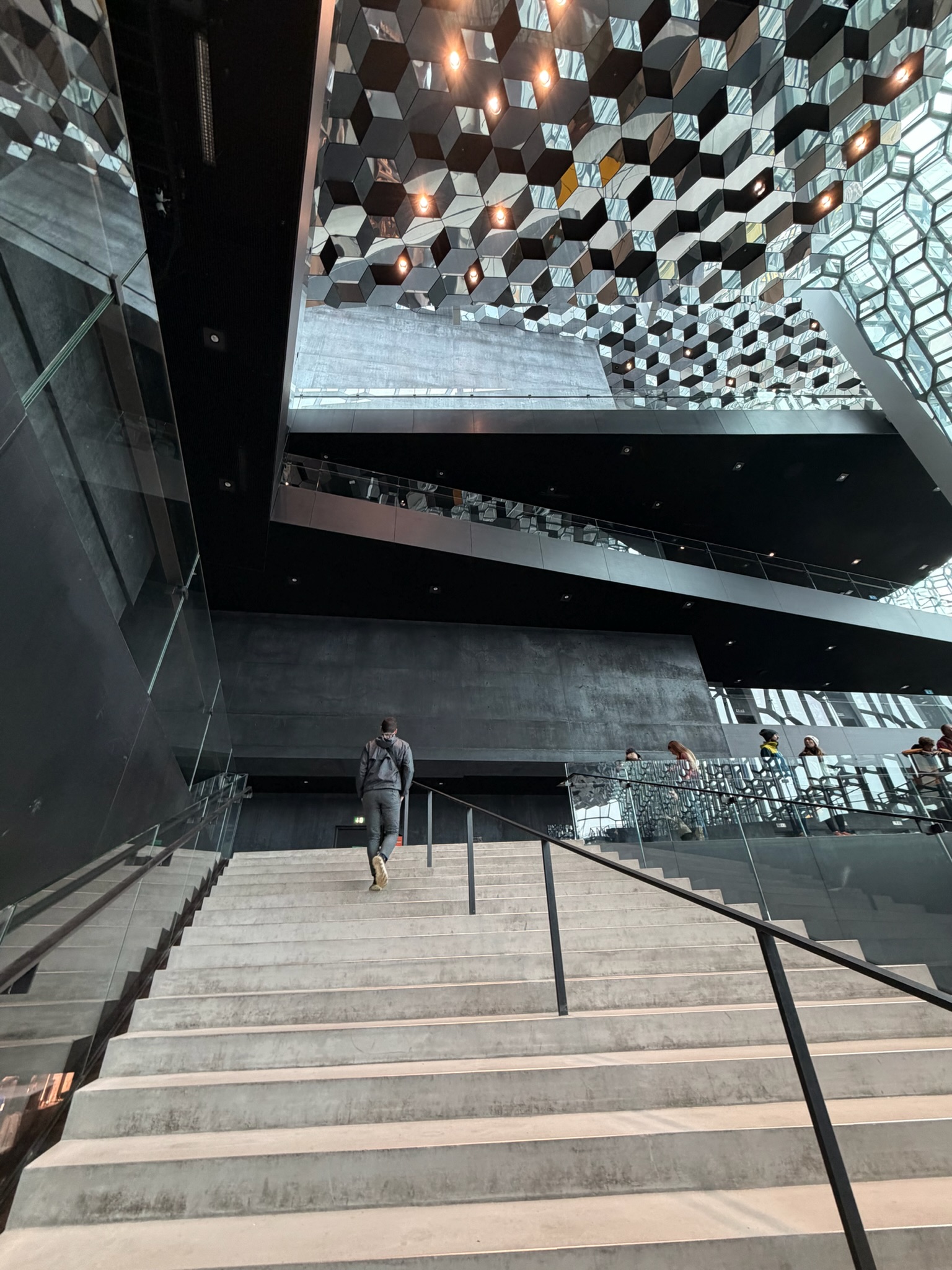
Nur ein paar Gehminuten weiter, direkt am Hafen, steht mit der Harpa das moderne Gegenstück zur Hallgrímskirkja. Das 2011 eröffnete Konzerthaus ist schon von außen ein echter Hingucker: eine gigantische Glasfassade aus tausenden wabenförmigen Glaselementen, die je nach Lichteinfall und Wetter in ganz unterschiedlichen Farben schimmert und dabei den Himmel, das Meer und manchmal fast schon die Nordlichter einzufangen scheint.
Drinnen finden Konzerte, Opern und Veranstaltungen statt, es ist die Heimat des isländischen Symphonieorchesters. Aber auch ohne Ticket lohnt sich ein Blick hinein, denn allein durch dieses Lichtspiel der farbigen Glaswände zu spazieren, ist schon ein kleines Erlebnis für sich - zusätzlich gibt's ein paar kleine Shops & Cafés drinnen, die es sich mal kurz für einen Sprung zu besuchen lohnt.
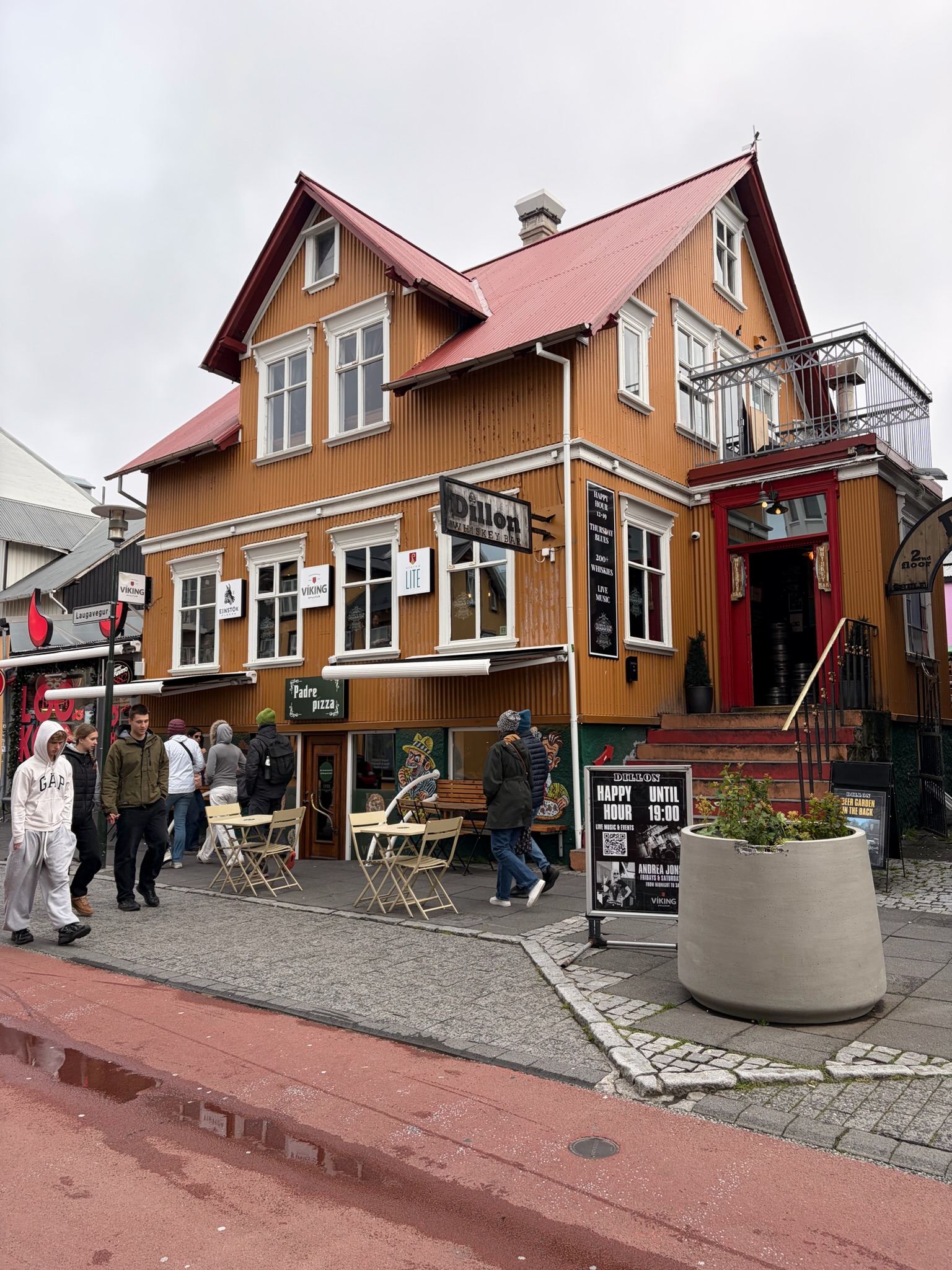
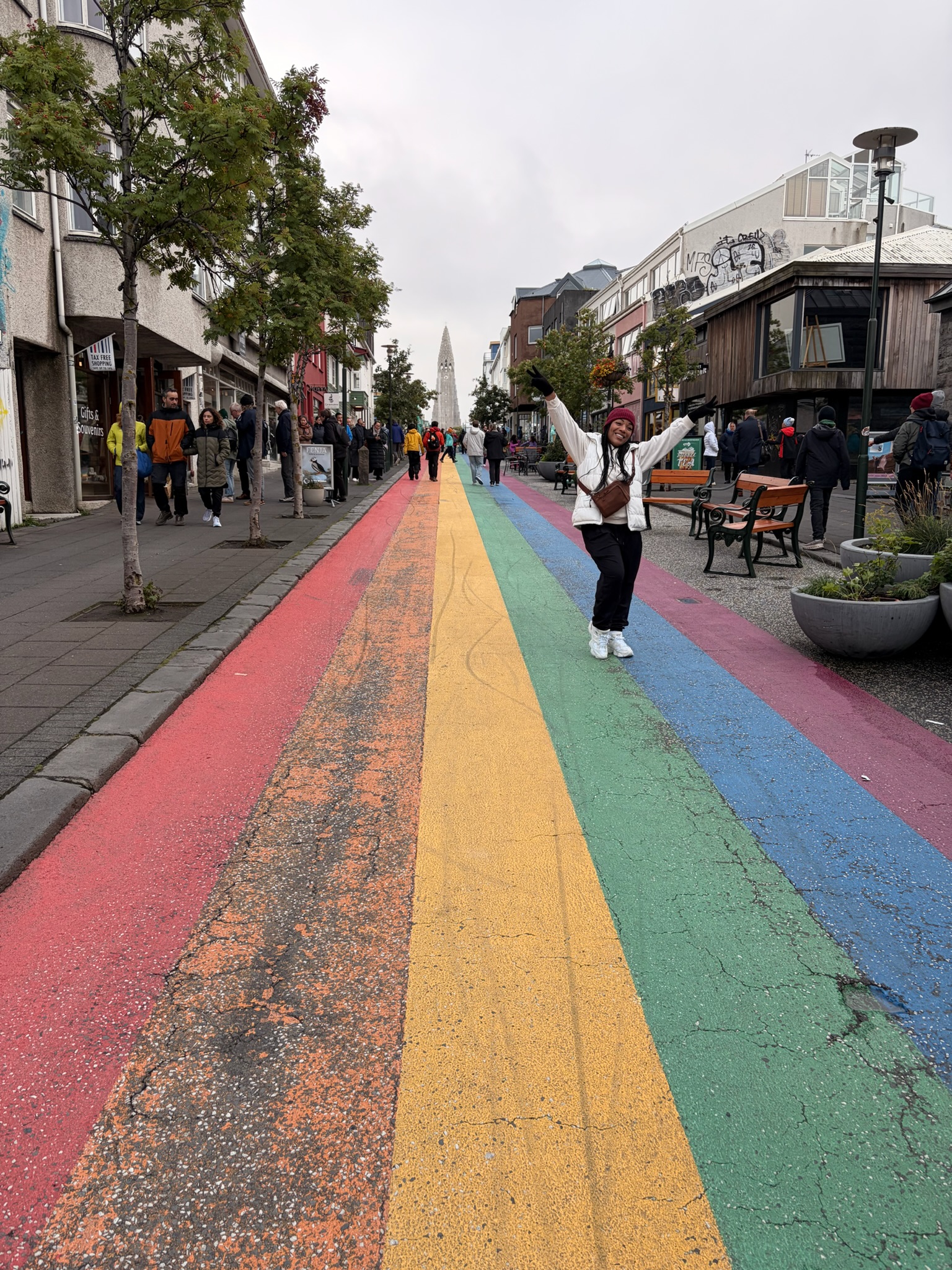
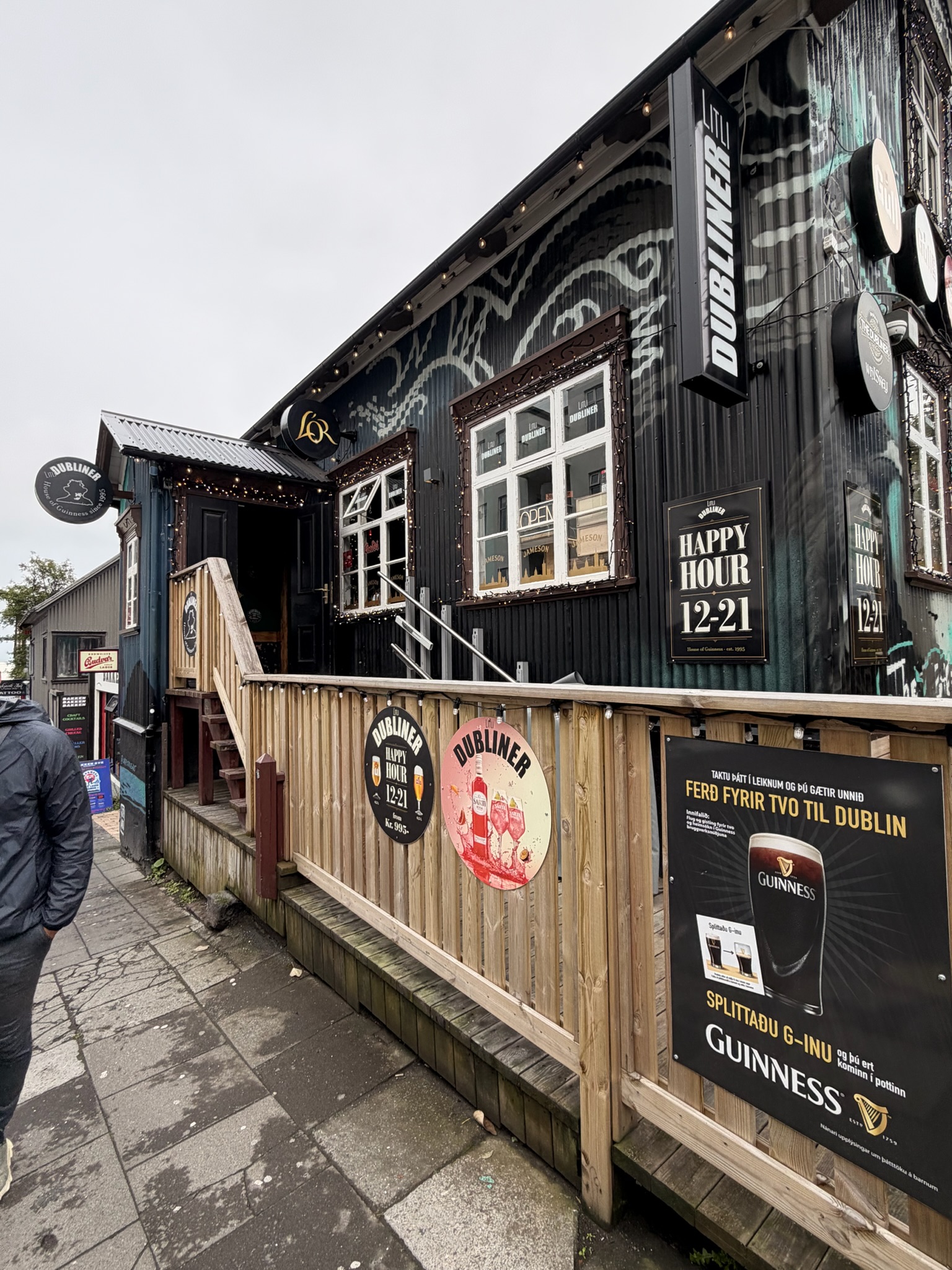
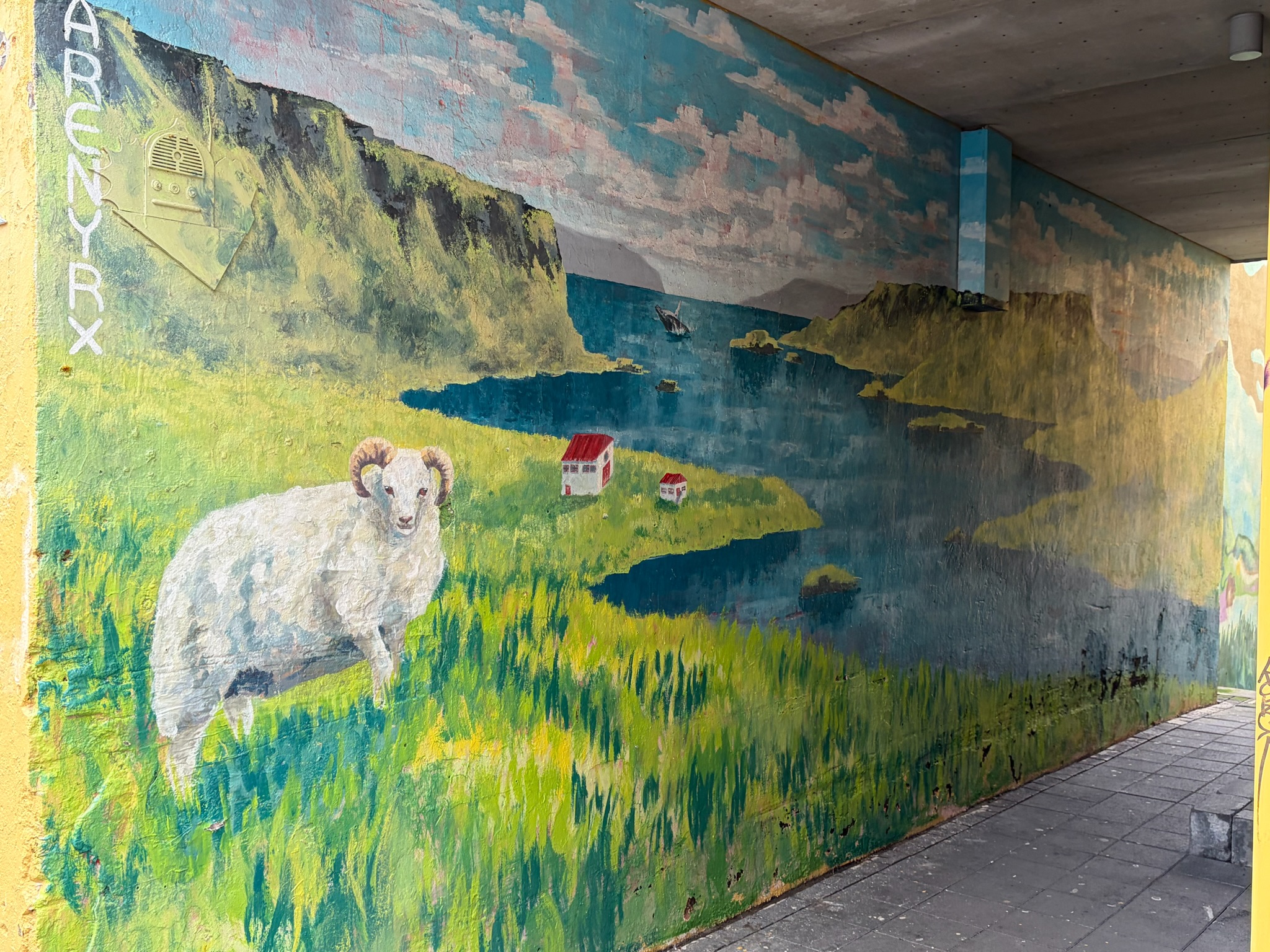
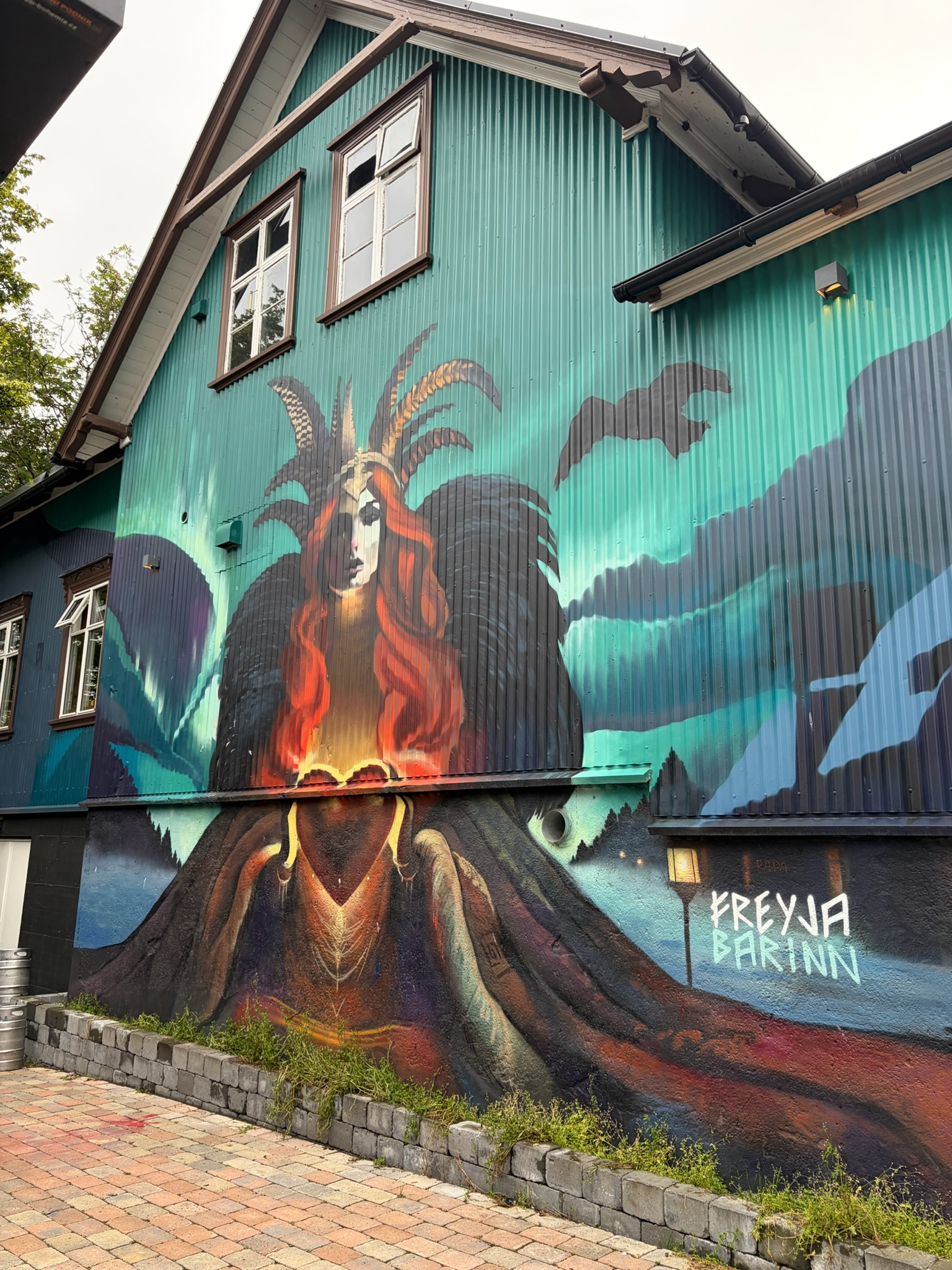
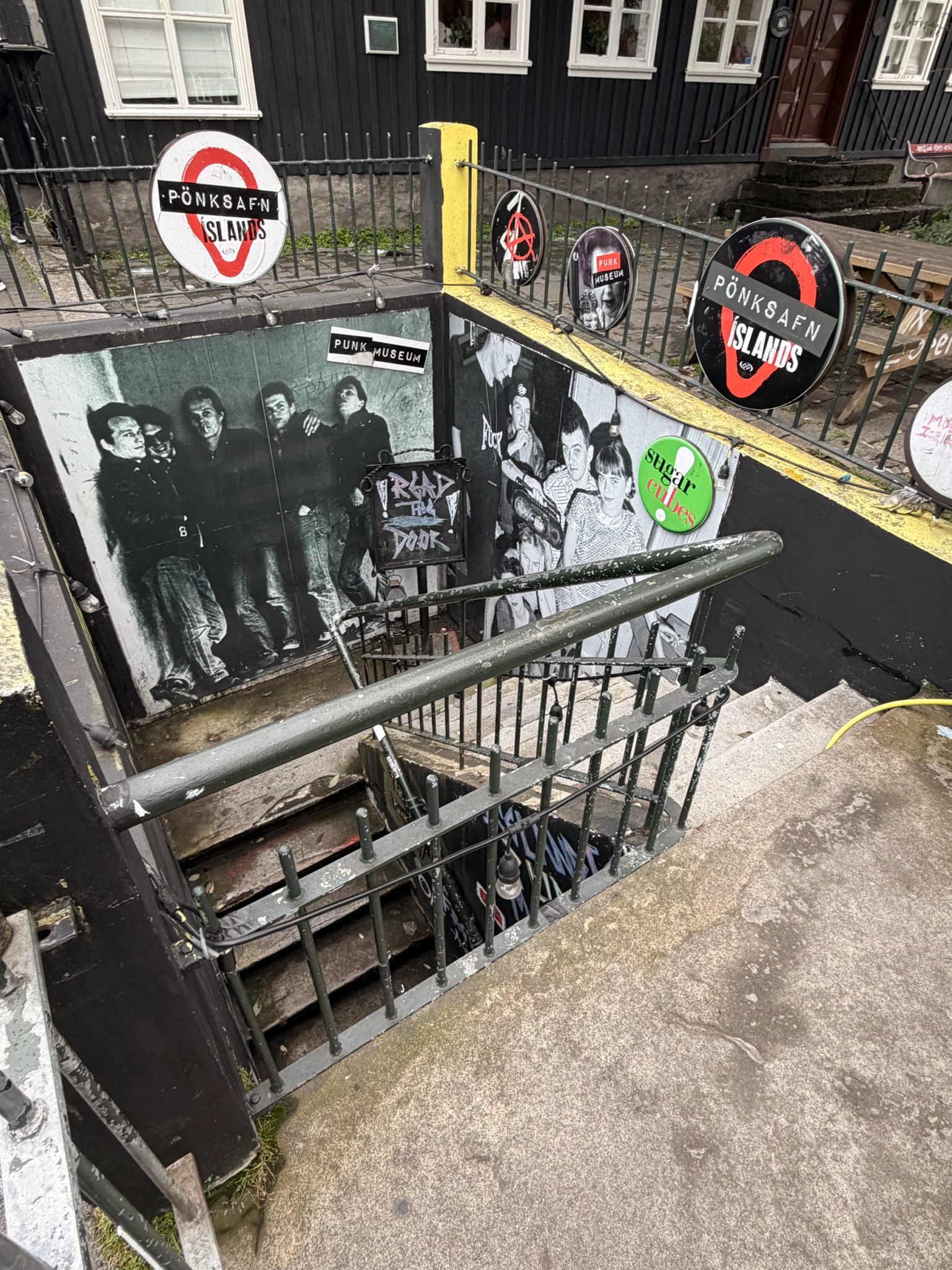
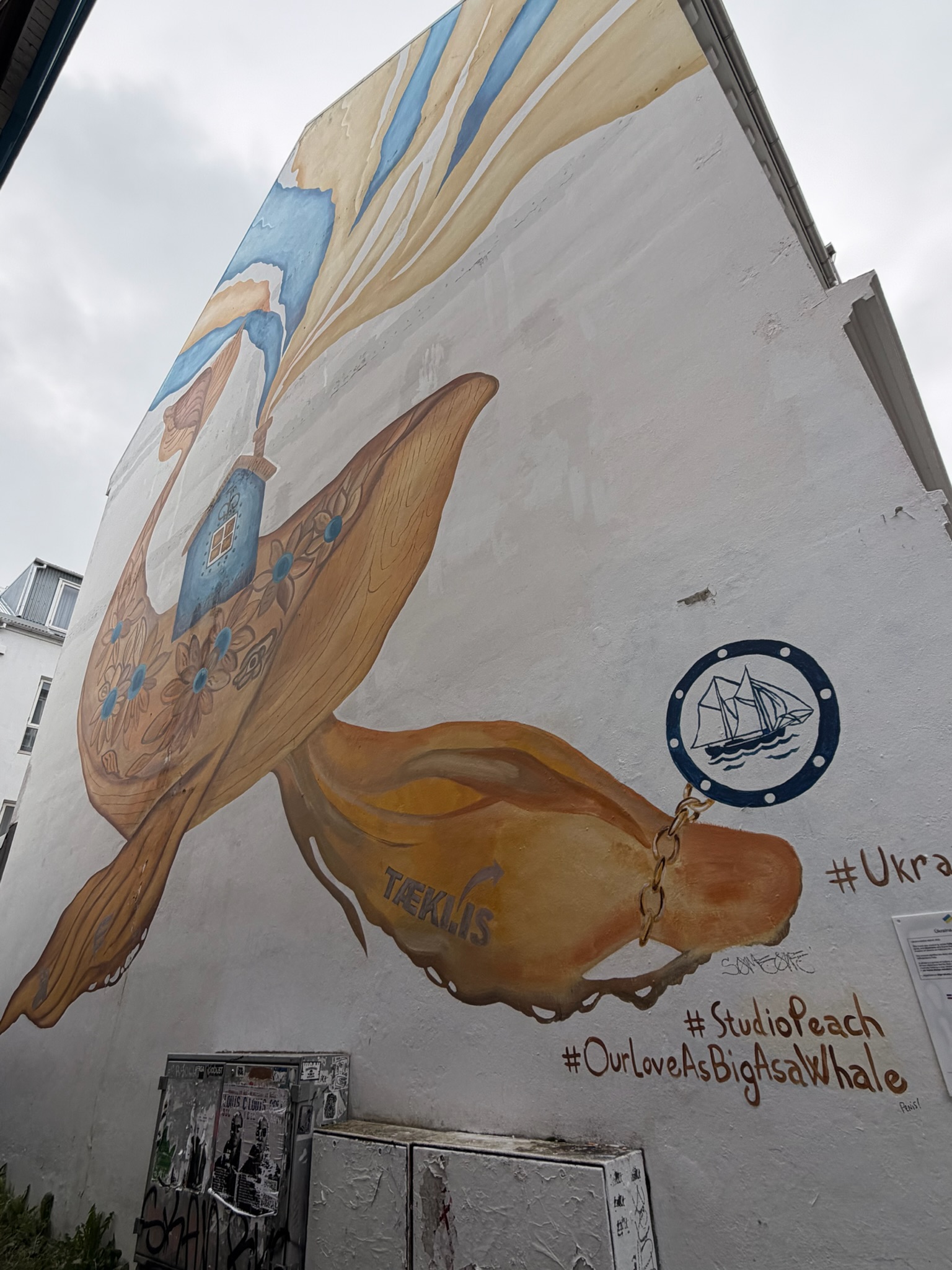
Zum Abschluss unserer Sightseeing Tour ging's noch in die bekannteren Einkaufsstraßen in Midborg um einerseits noch ein paar nette Läden zu durchstöbern und andererseits um uns die sehr schöne Straßenkultur anzusehen. Die Gebäude sind architektonisch vermutlich kein Highlight aber in ihren Formen und Farben sehr süß und zusätzlich gibt es haufenweise schöne Graffitis. Folgend seht ihr noch ein paar nette Eindrücke von diesen Straßen.
Nachdem wir ein paar Kleinigkeiten geshoppt haben, ging's für uns dann noch in unser Hotel zum Abendessen und dann direkt ins Bett um für den morgigen “Golden Circle”-Trip fit zu sein. Fix ist auf jeden Fall, dass Reykjavik noch einiges mehr zu bieten hätte und wir mit diesem einen Tag zwar einen netten Einblick in diese schöne Stadt bekommen konnten aber leider auch nicht viel mehr. Also falls ihr mal die Möglichkeit bekommt nach Reykjavik zu reisen - nehmt euch mehr als einen Tag Zeit für diese tolle Stadt! :)
As announced, today is a sightseeing day in Iceland's capital for us. Since we're staying here for another 2 days, it works out quite well to also get to know the urban sides (of which there truly aren't many).
We start with a visit to the "Perlan Nature Museum" - a very modern and interactive museum about 10 minutes from the city centre. There's plenty of parking - buying tickets is quick too, and even from the outside the "Perlan" is an eye-catcher, because the museum sits enthroned on a hill in a huge glass dome resting on six former hot-water tanks (yes, here too the topic of geothermal energy again, but we've already told you enough about that). And right at the top a 360-degree viewing platform from which you can overlook all of Reykjavik.
But what really makes the Perlan special is the way knowledge is conveyed here. No dry "look behind glass and move on", but everything interactive, to touch, try out and marvel at. The absolute highlight is the 100-metre-long ice cave, the first of its kind worldwide, completely recreated from over 350 tonnes of real snow and ice. There's also an 8K planetarium where you can comfortably lean back under northern lights, and many interactive exhibition areas where even as an adult you can have a lot of fun.
Here a few snapshots of the ice cave:
And here of a small "sphere" in which you can experience "immersively" what the 2021 Geldingadalir eruption looked like:
On the side, you of course also learn quite a bit about the history of this island. Anyone who's read our last articles already knows Ingólfur Arnarson, the first Viking to settle here permanently, who gave the bay - from whose geothermal springs the steam rose - the name "Reykjavik" (= smoking bay).
Things get interesting animal-wise at the Perlan too. Did you know that the Arctic fox is Iceland's only native land mammal? The little fellow was here even before the first settlers, having probably migrated to the island over frozen sea ice at the end of the Ice Age. All the other land animals we've seen here so far, from sheep to Icelandic horse, were only brought by the Vikings.
But what made us most thoughtful was the exhibition about the melting of the glaciers. As impressive as the ice cave is, it tells a rather sad story at the same time. The Icelandic glaciers are melting, and rapidly. In 2014, with the Okjökull, the first Icelandic glacier officially lost its status as a glacier, and in 2019 a monument was erected to it, a small plaque titled "A letter to the future".
Written by the Icelandic author Andri Snær Magnason, this letter is addressed directly to future generations: over the next 200 years, so the forecast goes, all Icelandic glaciers will follow the same path. The text ends with the words that we know what is happening and what would need to be done, and only those who read these lines in the future will know whether we did it. A thought that will stay with us for a long time after all the glaciers, ice caves and this incredible nature of the last few days.
After about 3 h in the Perlan Museum, we continued to the popular "Hallgrímskirkja". Anyone who's ever seen a photo of Reykjavik probably already knows it - the city's best-known landmark, which at just under 75 metres towers over the colourful roofs. And for us this building had a very special recognition value, because the striking façade, which upwards looks like a gigantic organ or rather like rising steps, is actually modelled on the basalt columns that so fascinated us on this trip at the Svartifoss and the Studlagil Canyon. Iceland in stone form, so to speak, in the middle of the capital.
It's named after Hallgrímur Pétursson, a 17th-century Icelandic poet and clergyman. In front of it stands, by the way - long before the church was finished - a statue of Leif Eriksson, the Viking who probably reached America 500 years before Columbus, a gift from the USA to Iceland.
Inside, the church is kept pleasantly plain and bright, entirely in Nordic style, with an impressive organ that takes up the entire back wall.
Since we'd already been out and about for over four hours here, it was time for a little something to eat. Since the day before we'd already walked past a rather well-known Icelandic street food place that immediately appealed to us, we made our way there. The charm of the place and the many nice little touches immediately confirmed us in our decision.
There you got 3 different kinds of soup (shellfish, tomato, lamb) and could get refills as often as you wanted. The soup was served in a rather tasty soft bread - instead of a plate. The unbelievable record for "refills" of further portions was 25. (however that's possible - we were both quite full after 1 portion).
In addition there were free waffles with rhubarb jam and also free water (which is actually standard in Iceland, but is no longer so common with us these days).
Just a few minutes' walk further, right by the harbour, stands the Harpa, the modern counterpart to the Hallgrímskirkja. The concert hall, opened in 2011, is a real eye-catcher even from the outside: a gigantic glass façade made of thousands of honeycomb-shaped glass elements that shimmer in very different colours depending on the light and weather, seeming to capture the sky, the sea and sometimes almost even the northern lights.
Inside, concerts, operas and events take place; it's the home of the Icelandic Symphony Orchestra. But even without a ticket it's worth a look inside, because just walking through this play of light of the coloured glass walls is a little experience in itself - additionally there are a few small shops & cafés inside that are worth popping into briefly.
To finish our sightseeing tour, we headed to the better-known shopping streets in Midborg, on the one hand to browse a few nice shops and on the other to look at the very lovely street culture. The buildings are architecturally probably not a highlight, but very cute in their shapes and colours, and additionally there are loads of beautiful graffiti. Below you can see a few nice impressions of these streets.
After shopping for a few little things, we headed back to our hotel for dinner and then straight to bed to be fit for tomorrow's "Golden Circle" trip. One thing's for sure: Reykjavik would have quite a bit more to offer, and with this one day we could get a nice insight into this beautiful city, but unfortunately not much more. So if you ever get the chance to travel to Reykjavik - take more than one day for this great city! :)
Bis bald!
Jürgen