Geldingardalir · Sky Lagoon - Reykjavik · Grindavik · 2026-08-26
Tag 14: Von der Lava in die "Laugar"Day 14: From the lava into the "Laugar"
Nach den letzten beiden gemütlichen Städtetagen in Reykjavik hieß es heute noch einmal was Einzigartiges anschauen, denn wir haben spontan entschieden, dass wir uns ein “aktives” Vulkangebiet anschauen wollen. Also ging's am Morgen los Richtung Süden, auf die Halbinsel Reykjanes nach Grindavik.
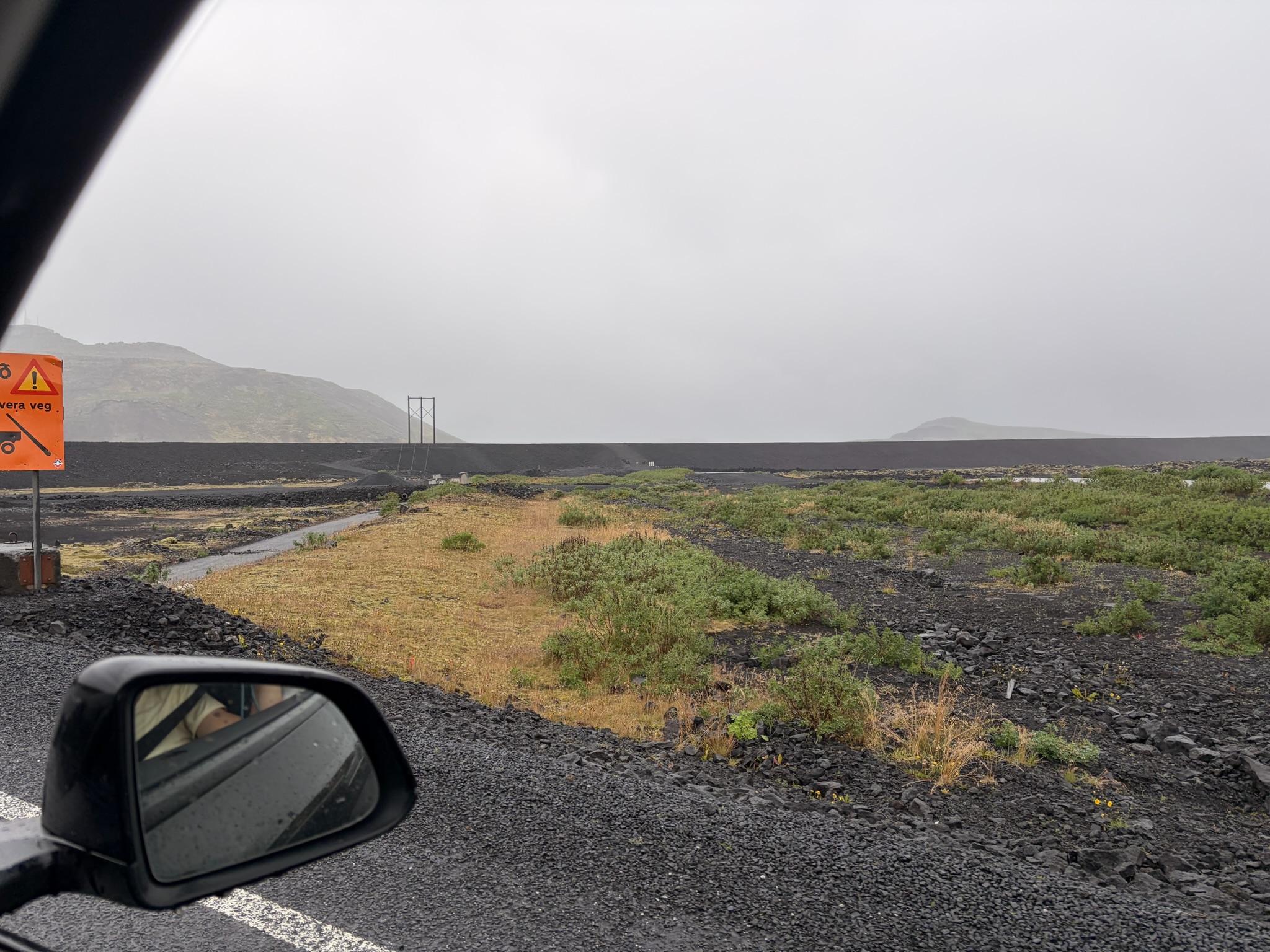
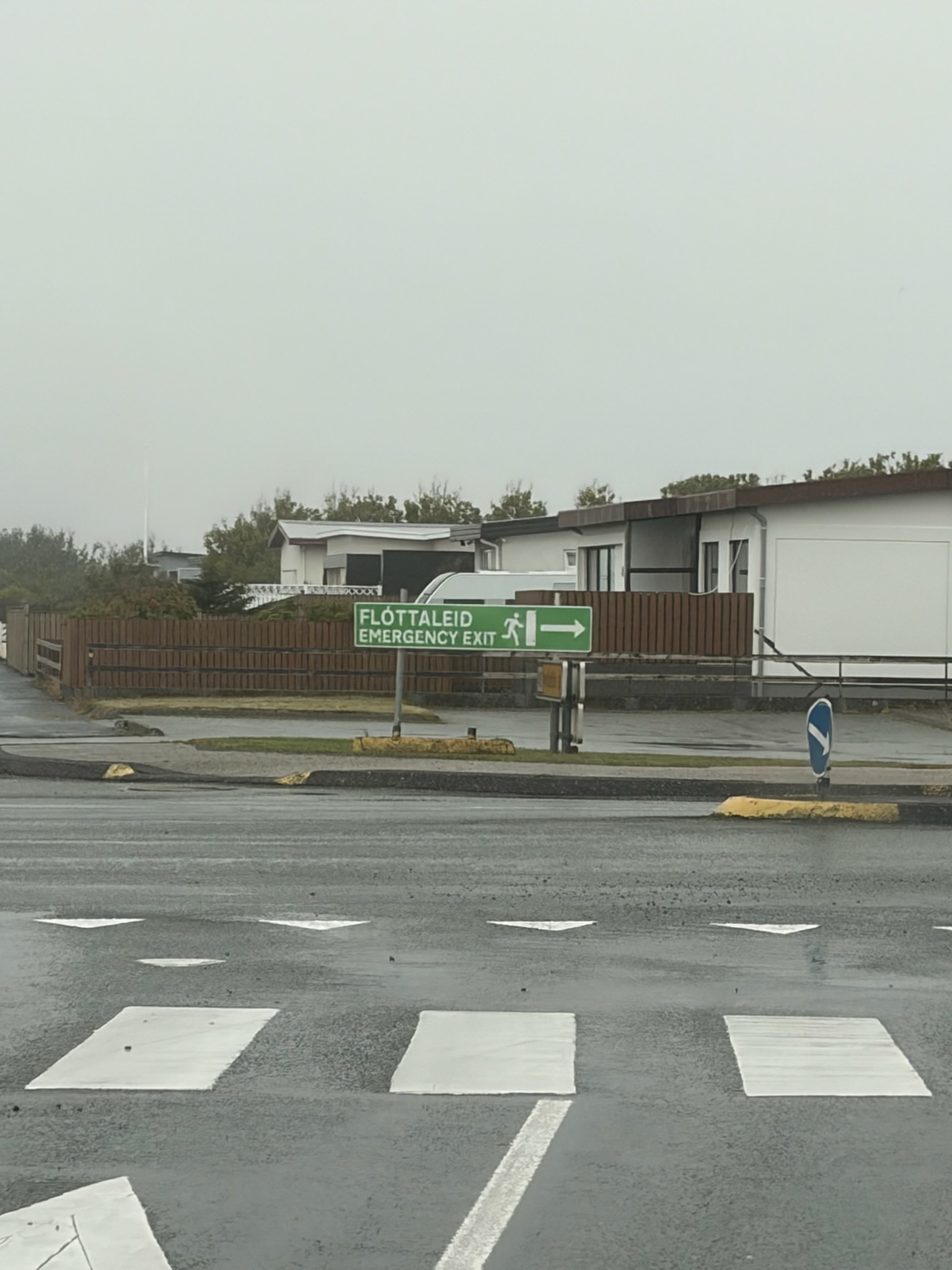
Die Fahrt durch Grindavik selbst hat uns dann ehrlich gesagt ziemlich sprachlos gemacht. Wer die Nachrichten der letzten Jahre verfolgt hat, weiß, dass dieser kleine Fischerort seit Ende 2023 immer wieder von Vulkanausbrüchen bedroht wird und sogar komplett evakuiert werden musste. Überall in und um die Stadt sieht man riesige, künstlich aufgeschüttete Wälle aus Schotter und Stein, die wie gigantische Schutzmauern die Häuser und das nahegelegene Kraftwerk vor der heranfließenden Lava bewahren sollen. Ein bisschen fühlt man sich wie in einer Endzeit-Kulisse, und es führt einem sehr direkt vor Augen, wie nah die Menschen hier mit den Naturgewalten leben.
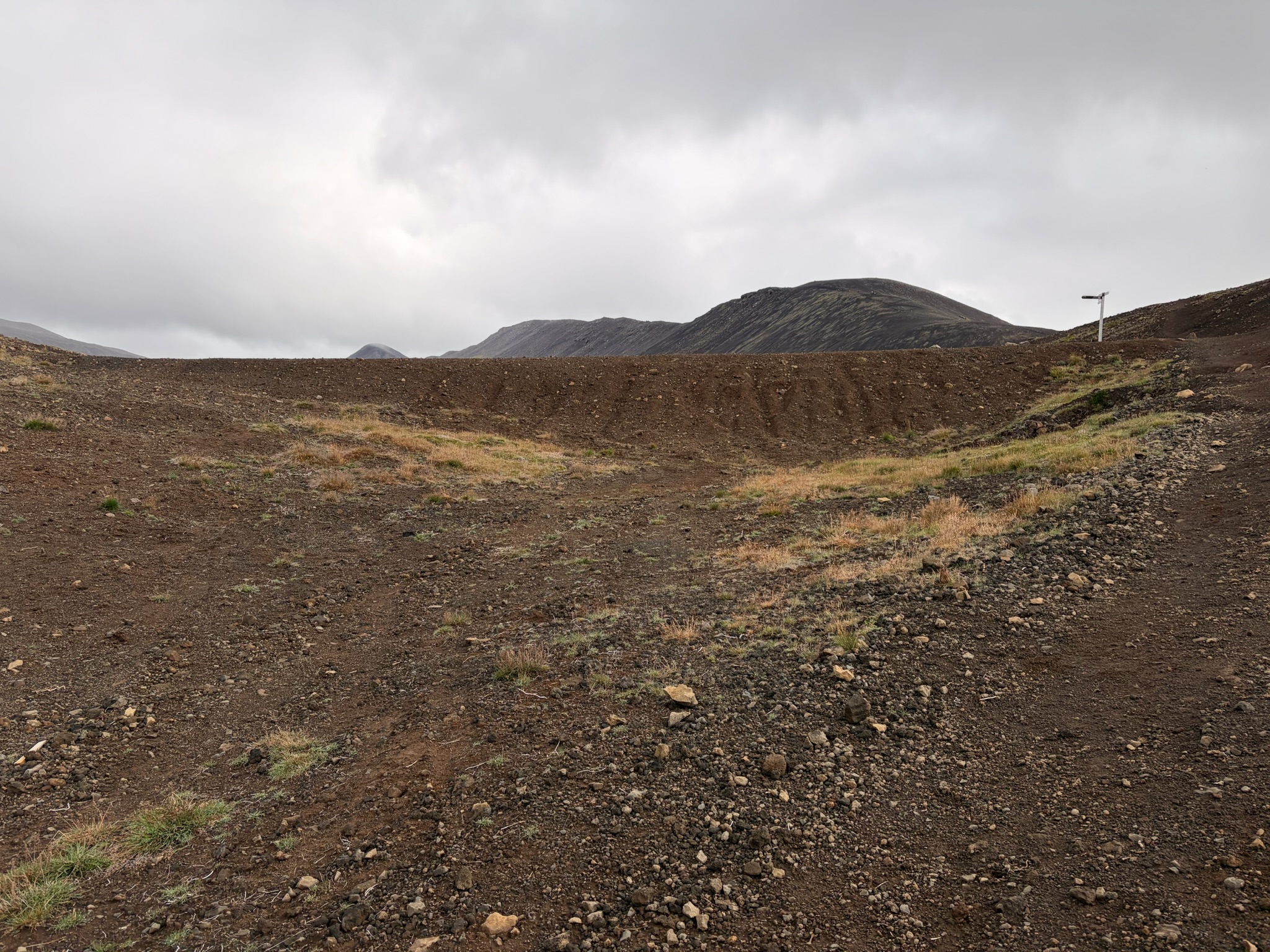
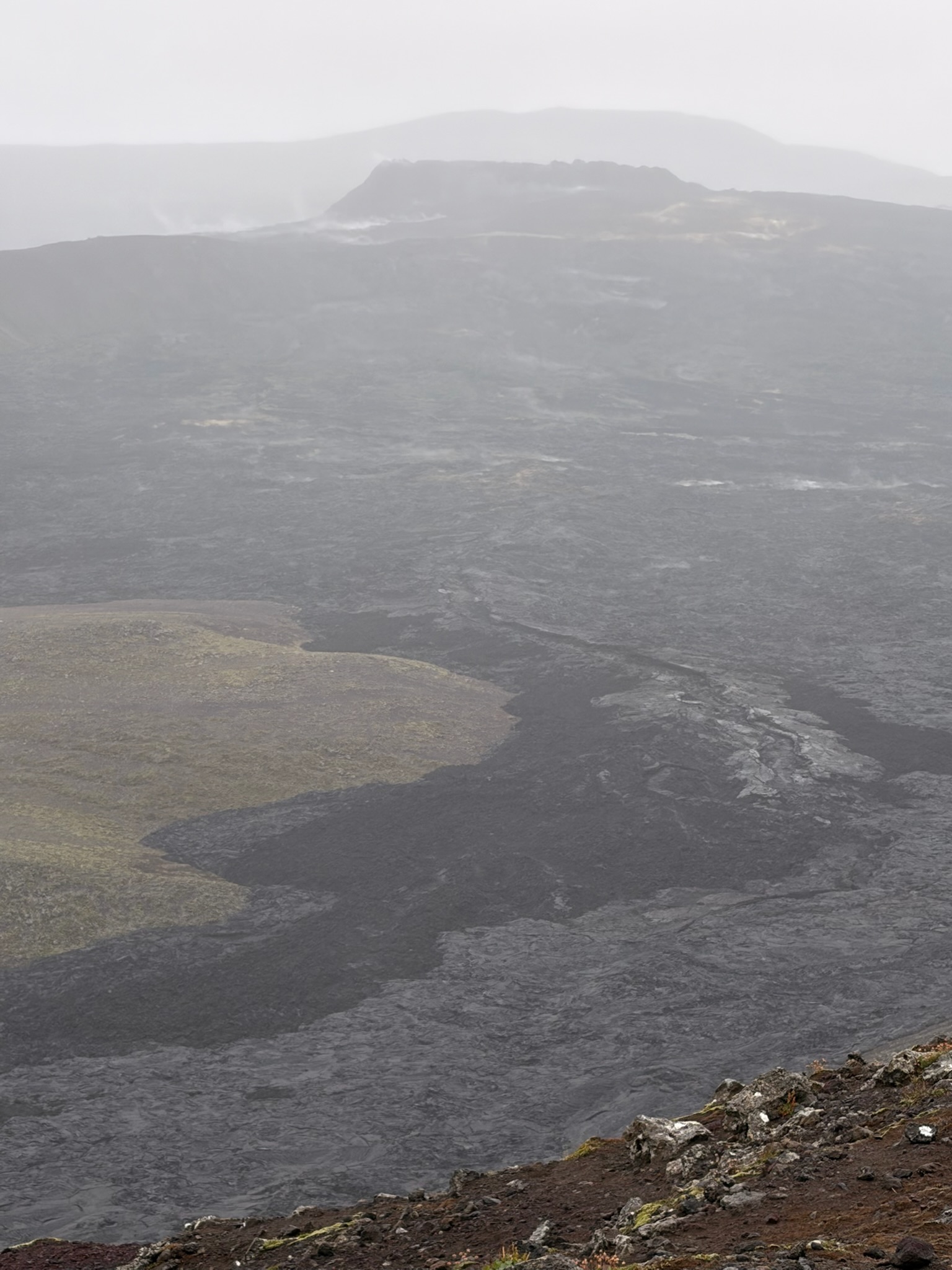
Von Grindavik ging's direkt weiter zum Parkplatz P1 am Fagradalsfjall, dem Ausgangspunkt unserer Wanderung. Nach einem kurzen Blick auf die große Wanderkarte machten wir uns auf die rund 3-stündige Tour, zuerst über schwarze Schotterpfade, vorbei an grün-braunen Hügeln und hinunter in ein weites Tal. Und dann standen wir plötzlich davor: ein Lavafeld. Ein schier endloses, graues Meer aus erstarrtem, aufgetürmtem Gestein, das sich dort, wo einst die Lava floss, brutal gegen die weichen, moosbewachsenen Hänge drückt.
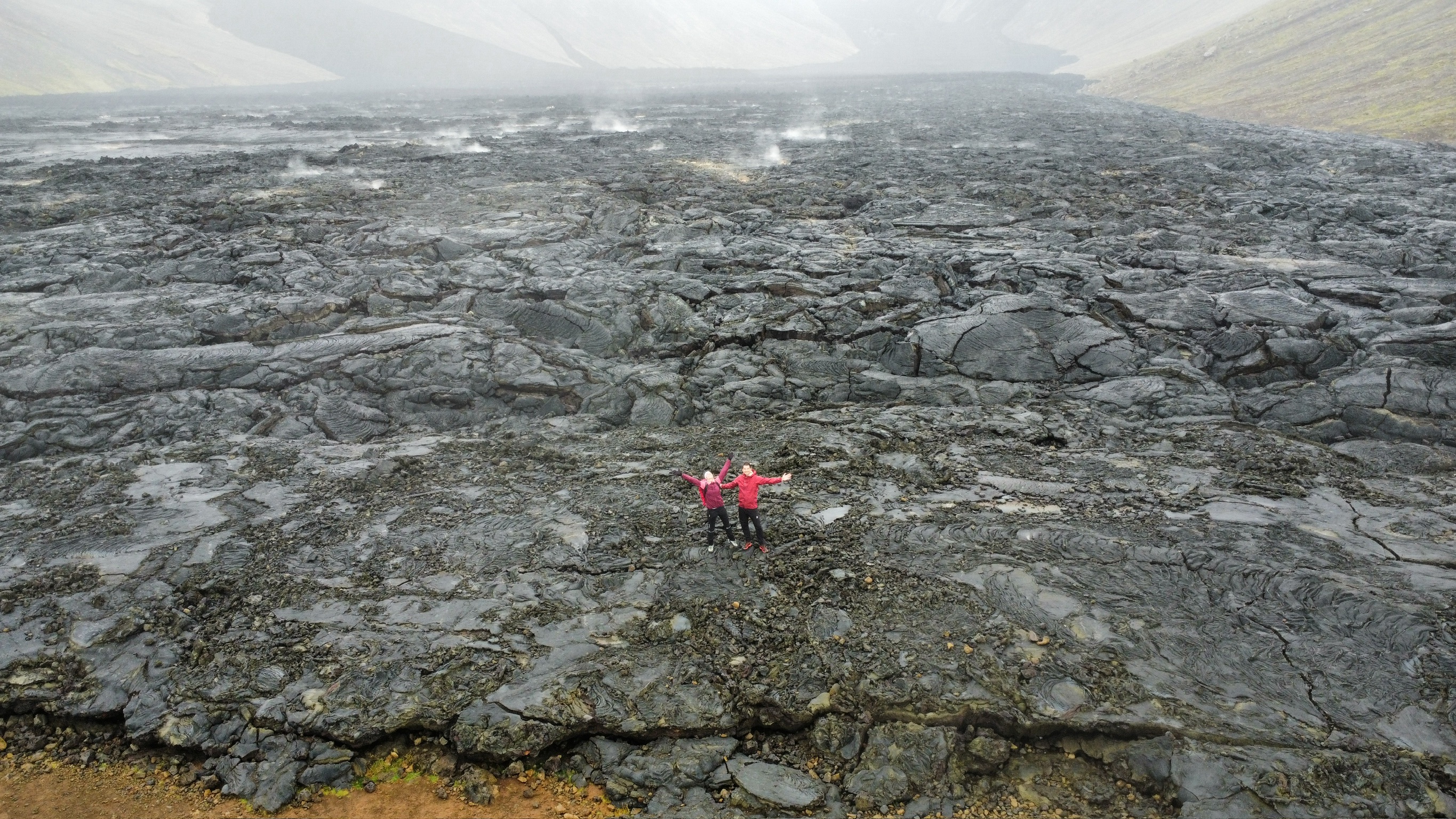
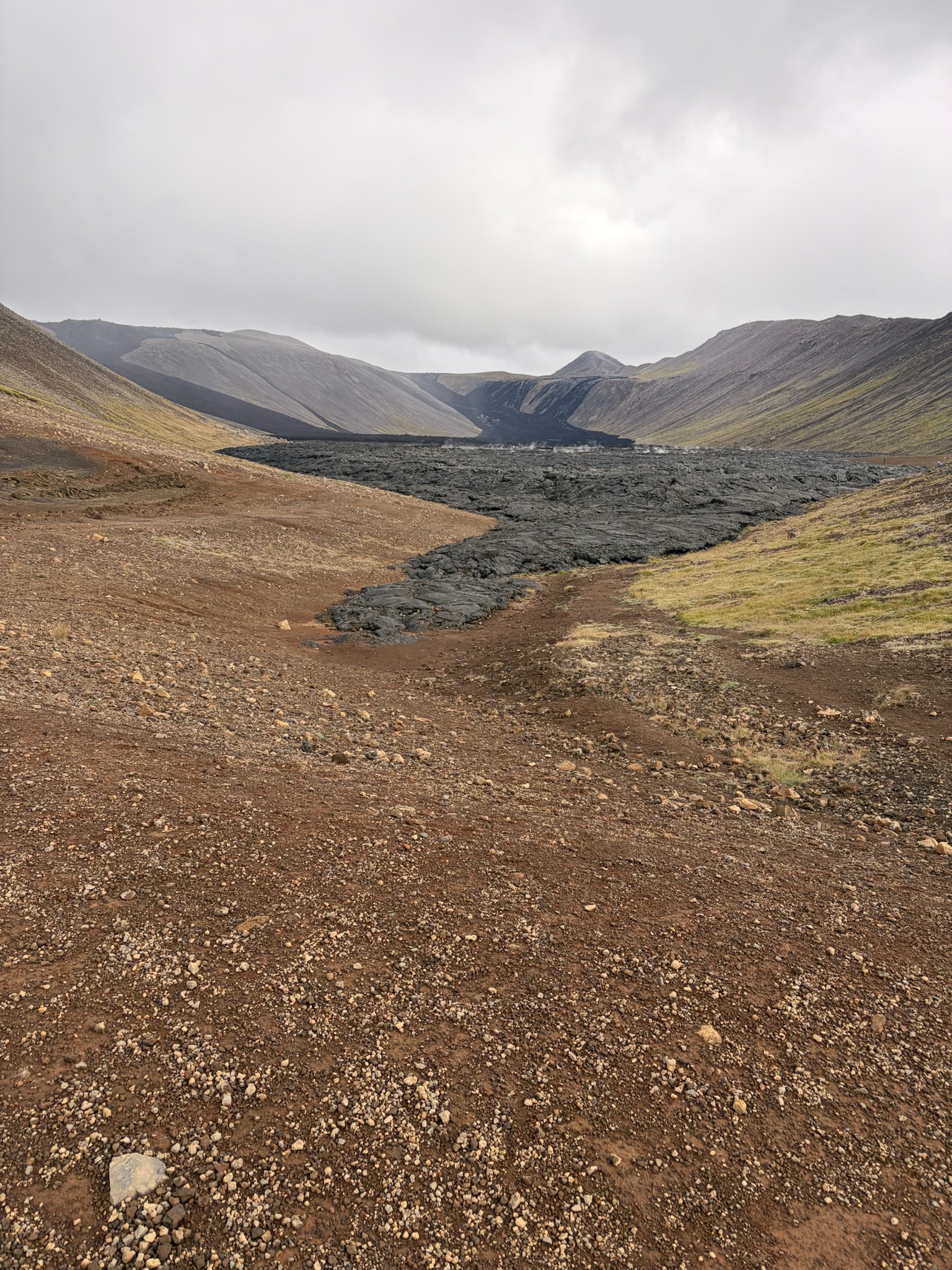 Die Ausmaße sind einfach unbeschreiblich, und erst aus der Vogelperspektive (unsere Drohne durfte natürlich mit) wurde so richtig klar, welche gewaltige Zunge aus Lava sich hier durch die Landschaft geschlängelt hat. Auf einem der Bilder stehen wir beide als winzige rote Punkte mitten im Feld, und genau das zeigt die Dimension besser als alles was ich hier schreiben könnte.
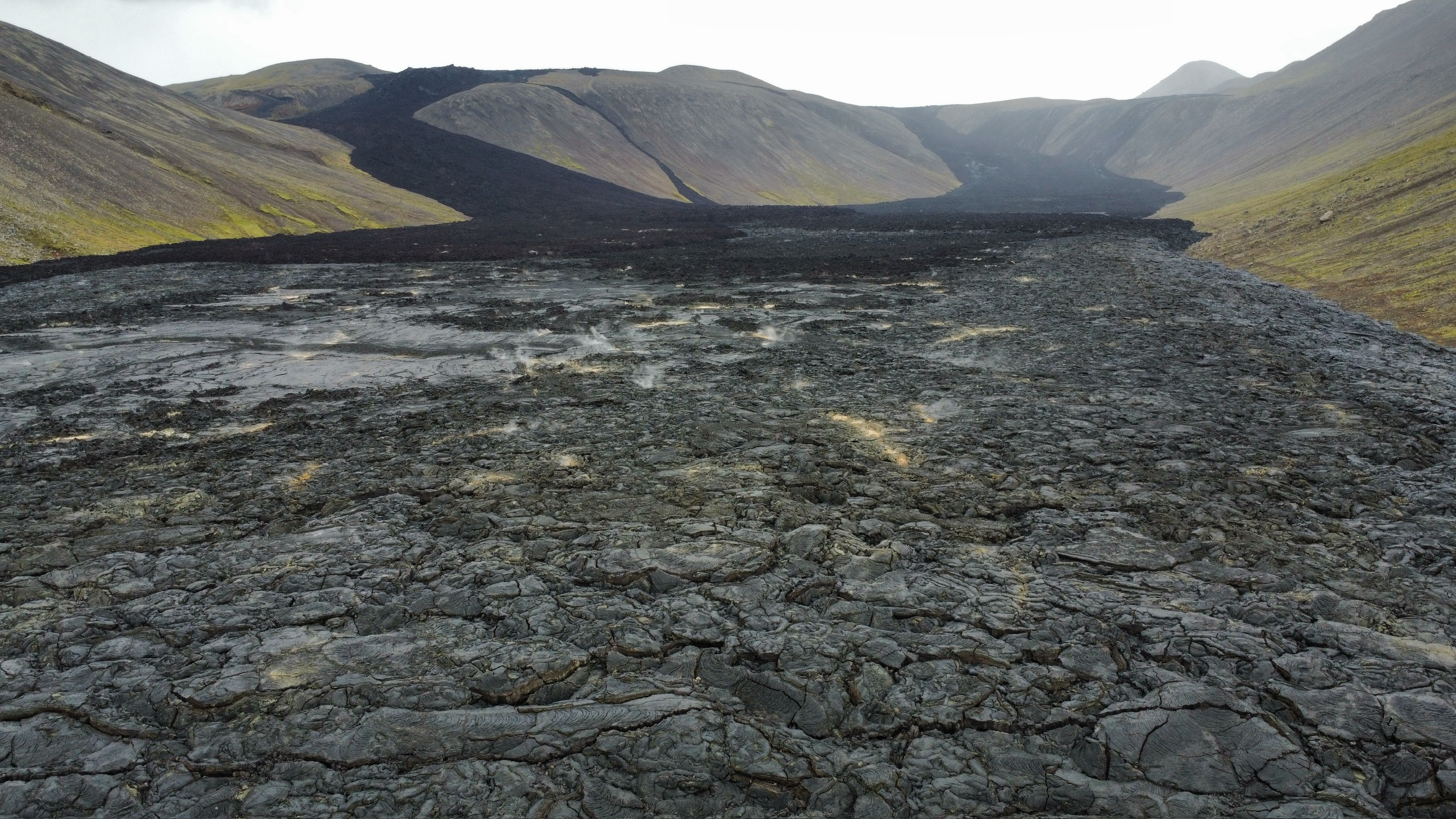
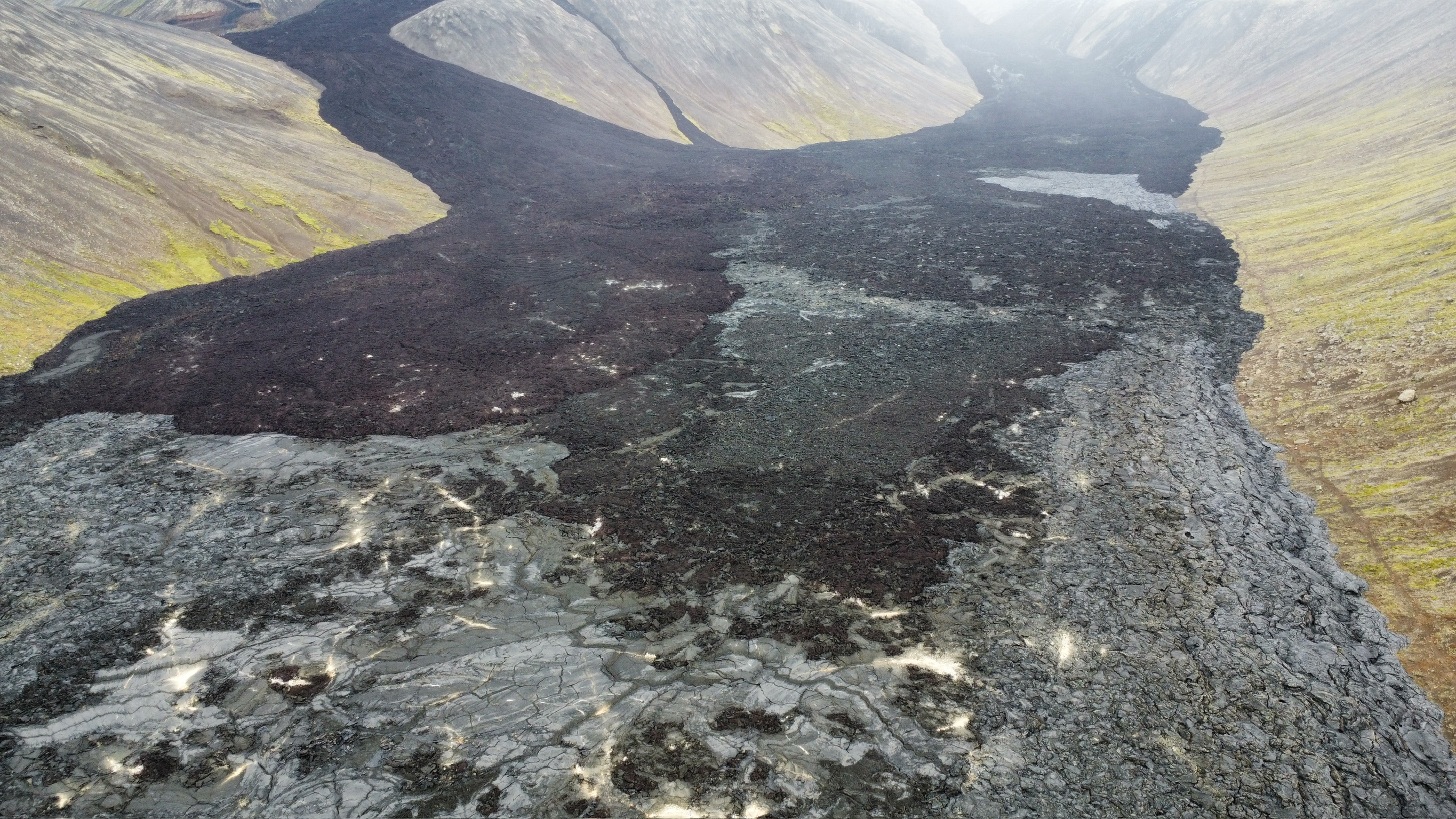
Ein bisschen Kontext dazu, denn die Geschichte dieses Ortes ist wirklich faszinierend: Am 19. März 2021 brach der Fagradalsfjall zum ersten Mal seit rund 6.000 Jahren wieder aus, und es war gleichzeitig der erste Vulkanausbruch auf der gesamten Reykjanes-Halbinsel seit etwa 800 Jahren. Ein halbes Jahr lang ergoss sich die Lava damals ins Geldingadalir-Tal, genau dort, wo wir heute standen. 2022 folgte ein weiterer Ausbruch im benachbarten Meradalir, 2023 dann beim Litli-Hrútur, und seit Ende 2023 hat sich das Geschehen weiter Richtung Grindavik verlagert (daher auch die Schutzwälle, die uns morgens so beeindruckt hatten). Diese Halbinsel ist nach langem Schlaf also so richtig aufgewacht, und wir durften hautnah miterleben, wie hier gerade "neues Land" entsteht.
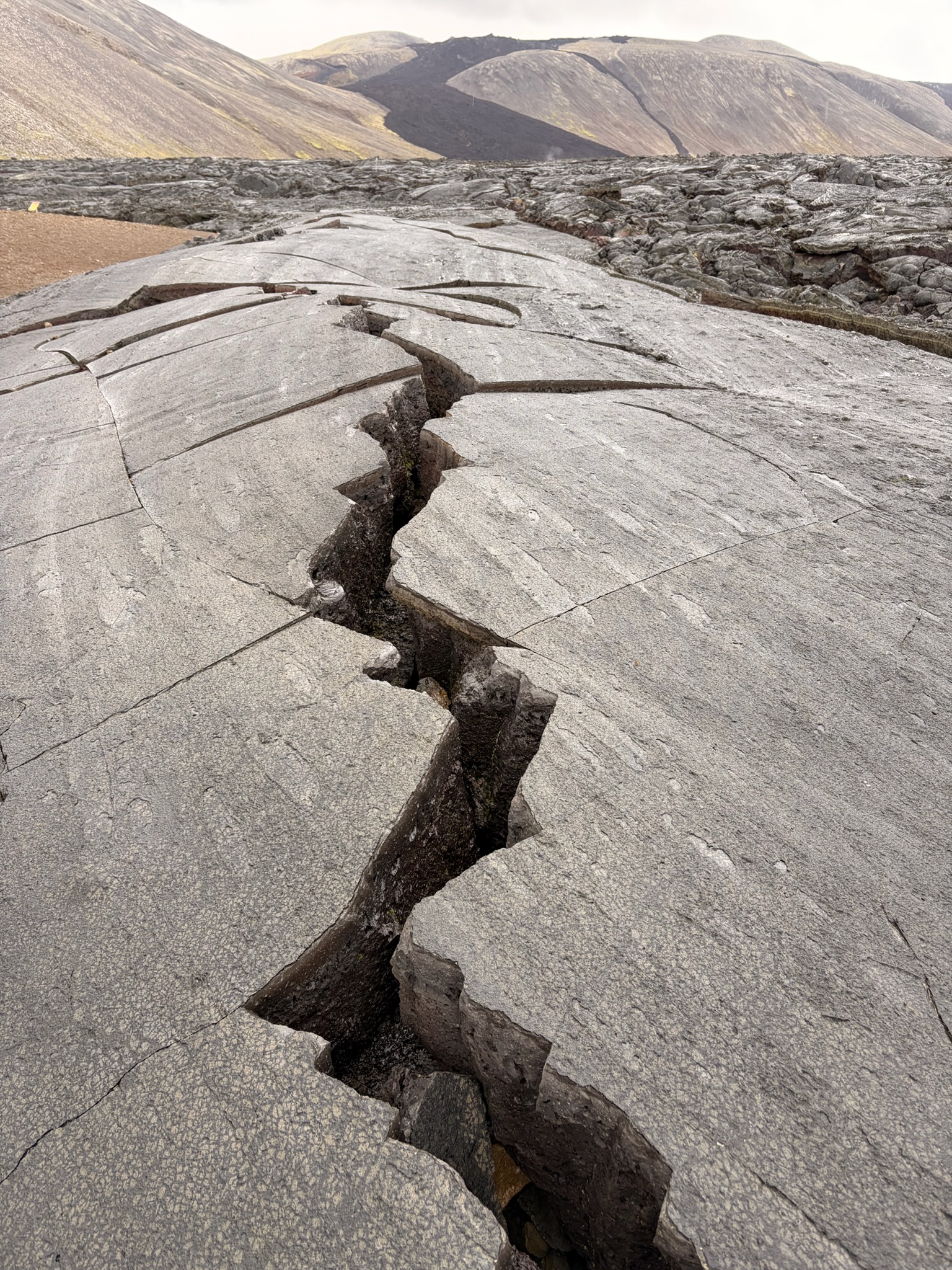
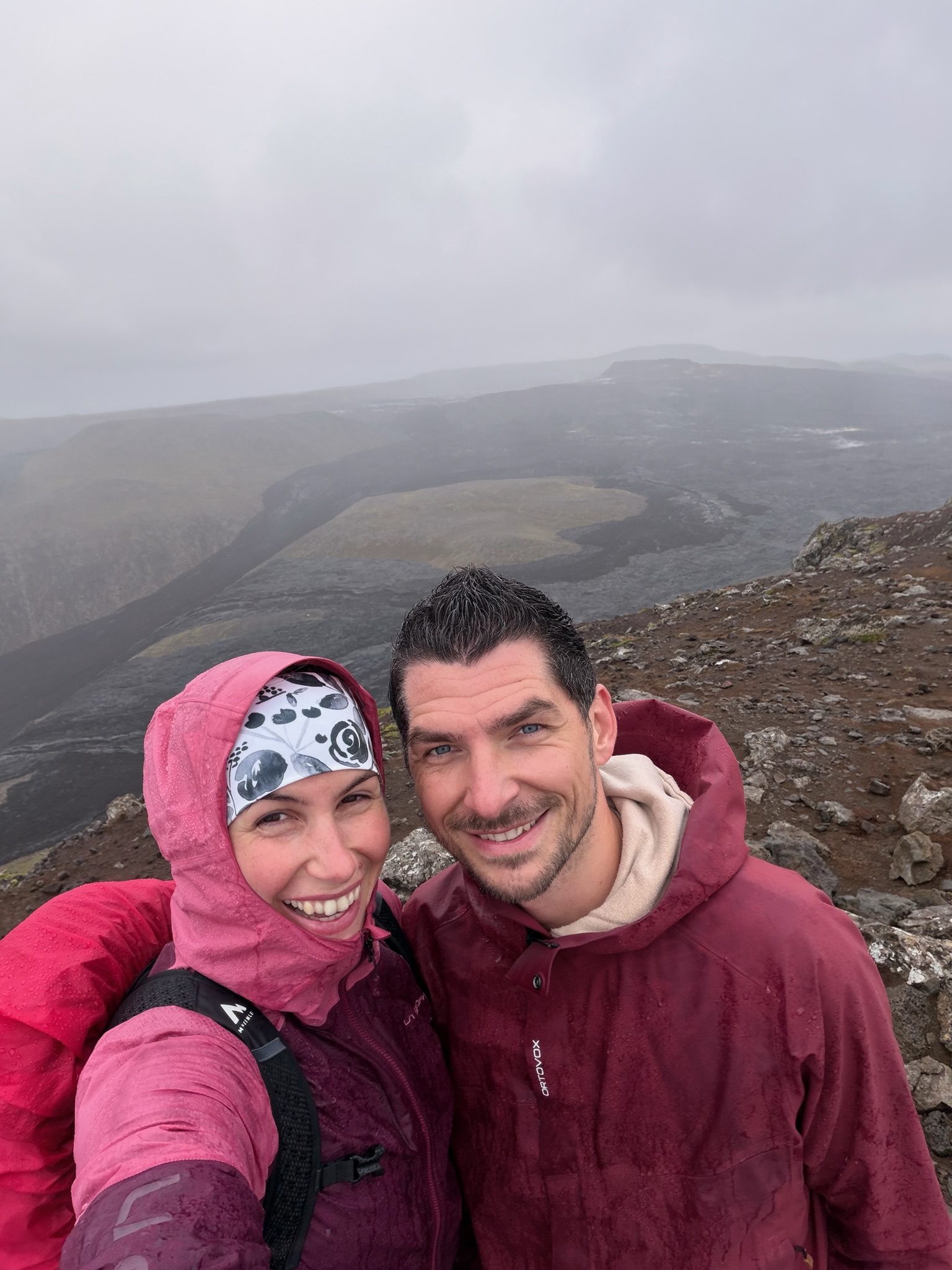
Besonders spannend fanden wir die feinen Risse und Spalten, die sich quer durch den Boden ziehen und dass Teile des Lavafelds nach wie vor “dampfen”. Zum Abschluss der Wanderung ging's noch hinauf auf den gegenüberliegenden Grad um mit einem grandiosen Blick über das gesamte Lavafeld hinweg direkt auch den Vulkankrater selbst sehen zu können. Der Nebel zog uns zwar zeitweise die Sicht zu, aber genau das hatte auch etwas Mystisches, und für ein verschwitztes, glückliches Gipfel-Selfie hat's natürlich trotzdem gereicht.
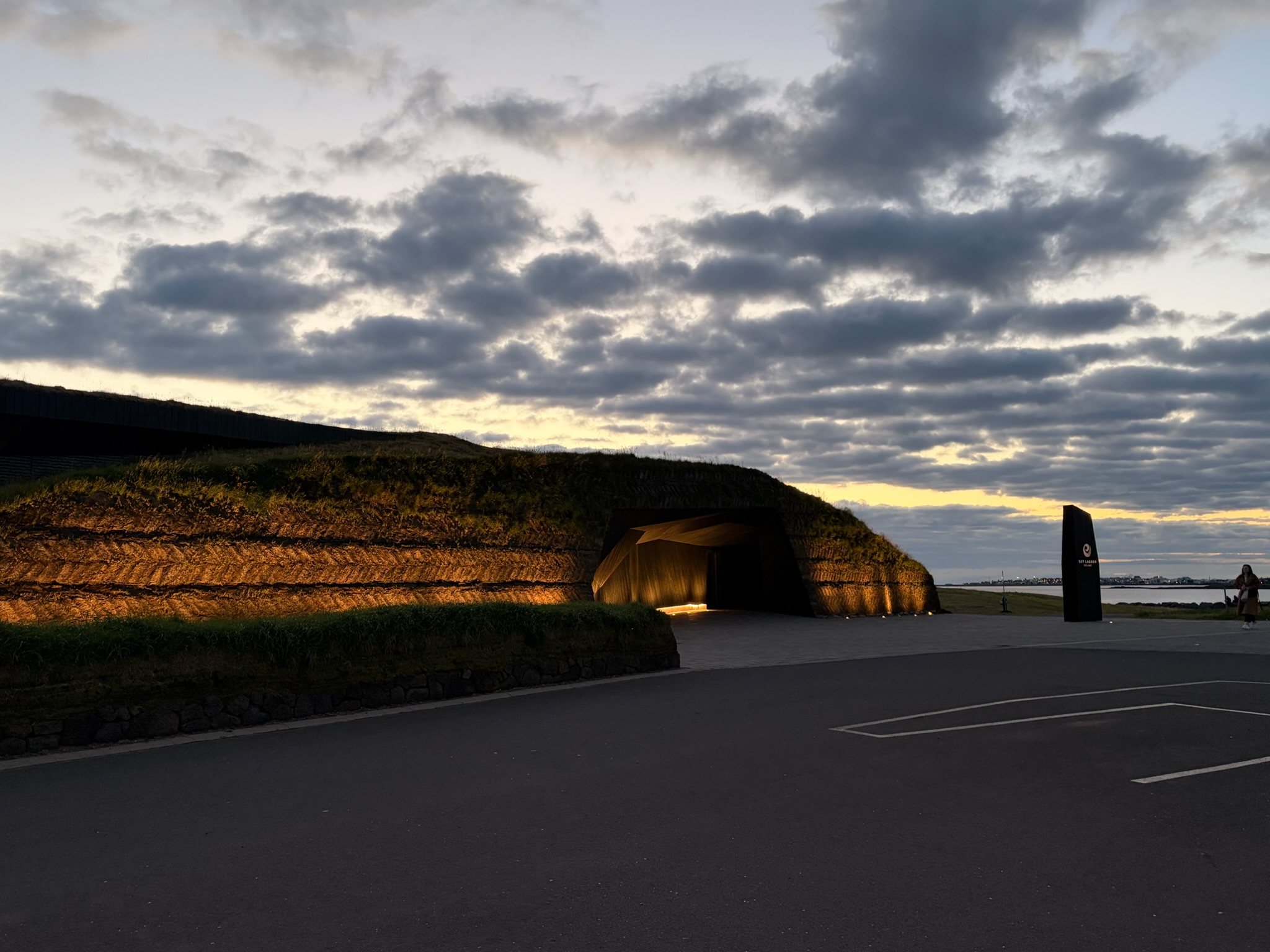
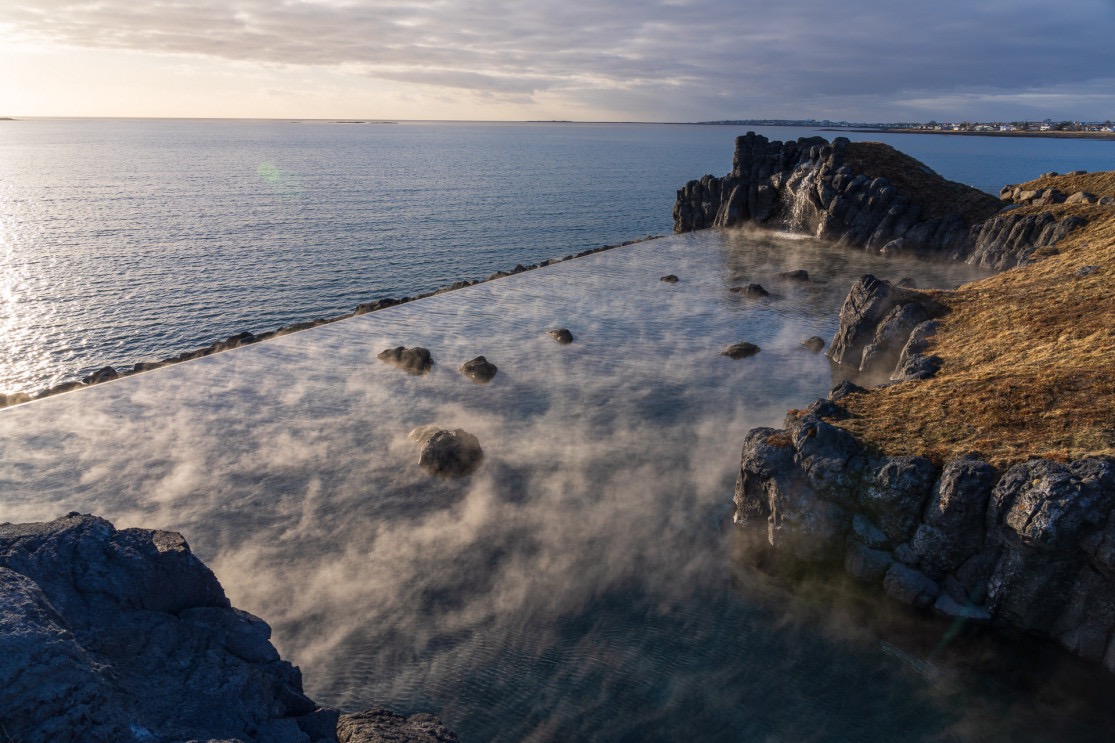
Nach so vielen Höhenmetern, Wind und Vulkangestein hatten wir uns dann aber definitiv eine Belohnung verdient, und die kam in Form der Sky Lagoon. Dieser Geothermal-Spa liegt direkt an der Küste am Rande von Reykjavik und fügt sich mit seinem begrünten Grasdach fast schon unsichtbar in die Landschaft ein, ganz so, als wäre er schon immer Teil der Küste gewesen. Herzstück ist der berühmte Infinity-Pool, dessen Wasserkante optisch nahtlos in den Atlantik überzugehen scheint. Allein dieser Blick aufs offene Meer, während man im dampfenden Warmwasser sitzt und langsam die Sonne untergeht, war die Sache schon wert.
Das eigentliche Highlight ist aber das sogenannte Skjól Ritual, eine 7-stufige Wellness-Zeremonie, die auf alter isländischer Badetradition beruht. Und weil's so schön war, nehmen wir euch einmal Schritt für Schritt mit:
- Laug (die Lagune): Zuerst geht's ganz gemütlich ins warme, geothermale Wasser der Lagune - umringt von schwarzen Lavafelsen - unheimlich cooles Setting
- Kuldi (die Kälte): Danach der Sprung ins eiskalte Tauchbecken (5° C) , ein ordentlicher Weckruf für den Kreislauf (und definitiv der Moment, in dem man kurz an seiner Entscheidung zweifelt).
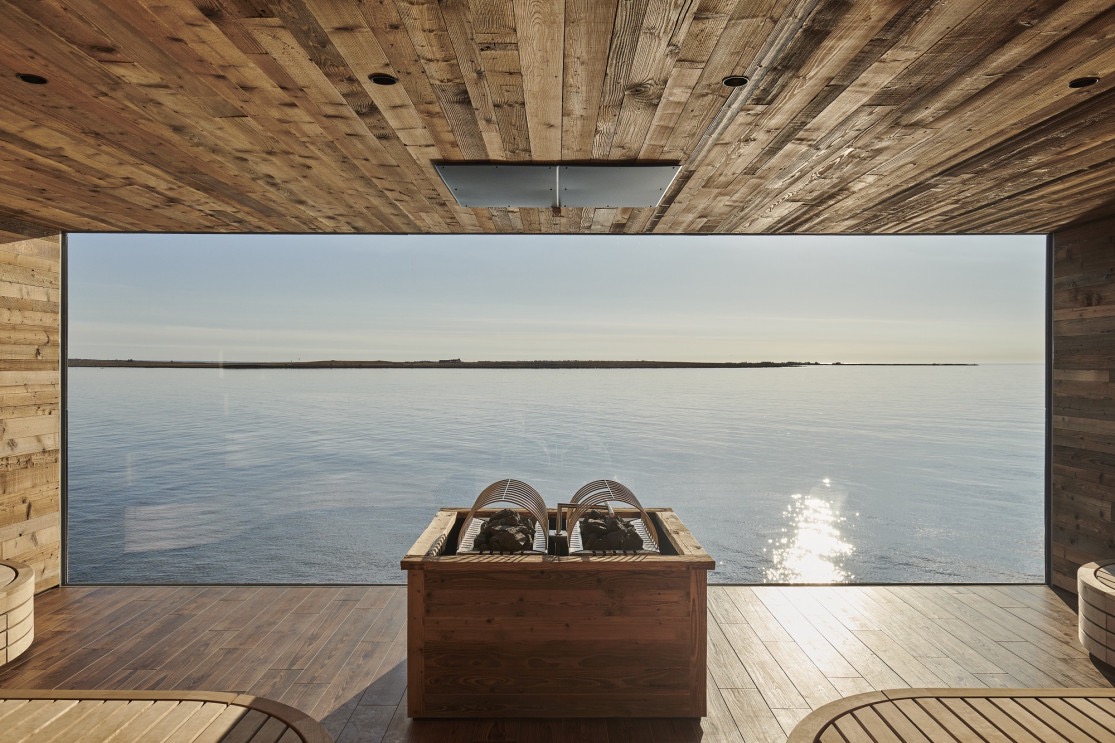
- Ylur (die Wärme): Aufwärmen in der Sauna, die eine riesige Panoramascheibe mit Blick aufs Meer hat, unfassbar schön. Wir haben schon viele Saunen von innen gesehen aber das war definitiv die Beeindruckendste…
- Súld (der Nebel): Eine kühle, sehr feine “Nebeldusche” zur Erfrischung - vorher geht's durch einen dunklen Holzgang vorbei an aufgespießtem Kabeljau, wie es die Vikinger zu tun pflegten, direkt in einen schönen Vorhof aus Holz in welchem von oben ganz feiner Sprühnebel aus kaltem Wasser auf einen heruntertröpfelte
- Mýkt (die Weichheit): Ein Körperpeeling (Sky Body Scrub - ich vermute aus Salz und irgendwelchen Ölen…), das man sich aufträgt, damit es in den nächsten Schritten einwirken kann.
- Gufa (der Dampf): Ab ins Dampfbad, wo das Peeling seine Wirkung entfaltet und die Haut danach herrlich weich ist
- Saft (der Trunk): Zum Abschluss ein Getränk aus Krækiber, den isländischen Krähenbeeren, die überall auf den Lavafeldern wachsen - sehr lecker!
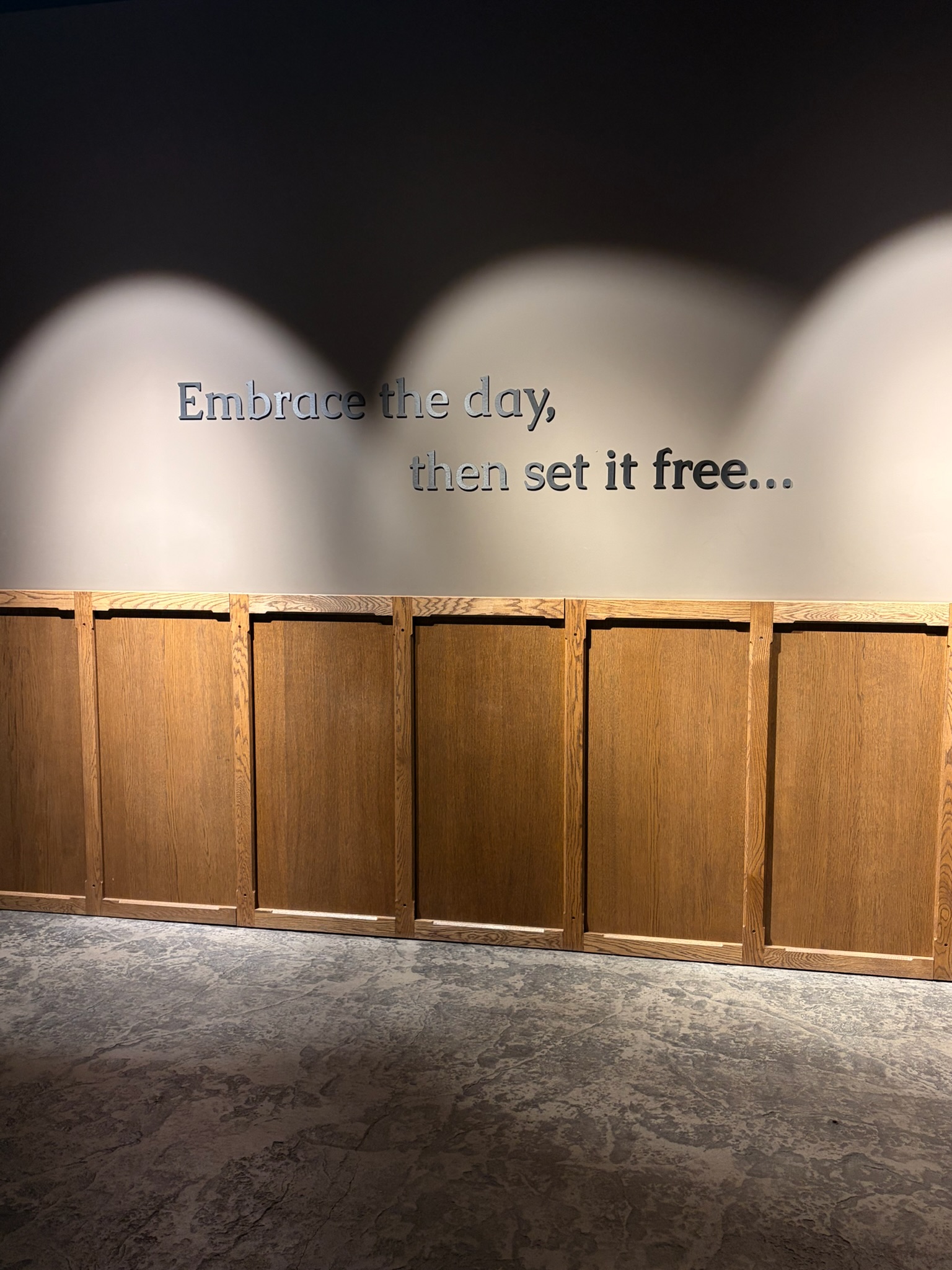 An der Wand im Inneren steht ein Spruch, der diesen Tag eigentlich perfekt zusammenfasst: "Embrace the day, then set it free." Danach nochmal zurück in die Lagune, einen Somersby Cider bei der Bar schnappen, aufs Meer blicken und den Tag Revue passieren lassen. Von rauchenden Kratern und schwarzen Lavafeldern am Vormittag bis zum wohlig-warmen Infinity-Pool im Sonnenuntergang, kontrastreicher kann ein Island-Tag kaum sein. Und genau das lieben wir an dieser Insel so sehr!
After the last two relaxed city days in Reykjavik, today it was time to see something unique again, because we spontaneously decided we wanted to look at an "active" volcanic area. So in the morning we set off south, onto the Reykjanes peninsula to Grindavik.
The drive through Grindavik itself then honestly left us pretty speechless. Anyone who's followed the news of the last few years knows that this small fishing town has been repeatedly threatened by volcanic eruptions since the end of 2023 and even had to be completely evacuated. Everywhere in and around the town you see huge, artificially piled-up walls of gravel and stone that, like gigantic protective walls, are meant to protect the houses and the nearby power plant from the approaching lava. You feel a bit like in an apocalyptic set, and it shows you very directly how closely people here live with the forces of nature.
From Grindavik it went straight on to car park P1 at the Fagradalsfjall, the starting point of our hike. After a quick look at the large hiking map, we set off on the roughly 3-hour tour, first over black gravel paths, past green-brown hills and down into a wide valley. And then we suddenly stood in front of it: a lava field. An almost endless, grey sea of solidified, piled-up rock that, where the lava once flowed, presses brutally against the soft, moss-covered slopes.
The scale is simply indescribable, and only from a bird's-eye view (our drone was of course allowed along) did it become really clear what a gigantic tongue of lava had snaked through the landscape here. In one of the pictures we both stand as tiny red dots in the middle of the field, and exactly that shows the dimension better than anything I could write here.
A bit of context for it, because the history of this place is really fascinating: on 19 March 2021, the Fagradalsfjall erupted for the first time in around 6,000 years, and it was at the same time the first volcanic eruption on the entire Reykjanes peninsula in about 800 years. For half a year the lava poured into the Geldingadalir valley back then, exactly where we stood today. In 2022 another eruption followed in neighbouring Meradalir, in 2023 then at the Litli-Hrútur, and since the end of 2023 the activity has shifted further towards Grindavik (hence also the protective walls that had impressed us so much in the morning). This peninsula has thus really woken up after a long sleep, and we got to witness up close how "new land" is being created here.
We found particularly exciting the fine cracks and fissures that run right across the ground, and that parts of the lava field are still "steaming". To finish the hike, we went up onto the opposite ridge to be able, with a magnificent view across the entire lava field, to see the volcanic crater itself directly too. The fog did obscure our view at times, but exactly that also had something mystical about it, and it was of course still enough for a sweaty, happy summit selfie.
After so much elevation gain, wind and volcanic rock, we'd then definitely earned a reward, and it came in the form of the Sky Lagoon. This geothermal spa lies right on the coast at the edge of Reykjavik and, with its green grass roof, blends almost invisibly into the landscape, quite as if it had always been part of the coast. Its centrepiece is the famous infinity pool, whose water edge seems to merge seamlessly into the Atlantic. Just this view of the open sea, while you sit in the steaming warm water and the sun slowly sets, was worth it already.
But the actual highlight is the so-called Skjól ritual, a 7-step wellness ceremony based on old Icelandic bathing tradition. And because it was so lovely, we'll take you through it step by step:
- Laug (the lagoon): First it's very cosy into the warm, geothermal water of the lagoon - surrounded by black lava rocks - an incredibly cool setting
- Kuldi (the cold): After that the jump into the ice-cold plunge pool (5°C), a proper wake-up call for the circulation (and definitely the moment when you briefly doubt your decision).
- Ylur (the warmth): Warming up in the sauna, which has a huge panoramic window with a view of the sea, unbelievably beautiful. We've already seen many saunas from the inside, but that was definitely the most impressive…
- Súld (the mist): A cool, very fine "mist shower" for refreshment - beforehand you go through a dark wooden passage past skewered cod, as the Vikings used to do, right into a lovely wooden forecourt in which a very fine spray of cold water trickled down on you from above
- Mýkt (the softness): A body scrub (Sky Body Scrub - I suspect of salt and some kind of oils…) that you apply so it can take effect in the next steps.
- Gufa (the steam): Off into the steam bath, where the scrub develops its effect and the skin is wonderfully soft afterwards
- Saft (the drink): To finish, a drink made of Krækiber, the Icelandic crowberries that grow all over the lava fields - very tasty!
On the wall inside there's a saying that actually sums up this day perfectly: "Embrace the day, then set it free." After that, back into the lagoon again, grab a Somersby cider at the bar, look out at the sea and let the day pass in review. From smoking craters and black lava fields in the morning to the cosy warm infinity pool at sunset - an Iceland day can hardly be more full of contrast. And that's exactly what we love so much about this island!
Bis bald!
Jürgen